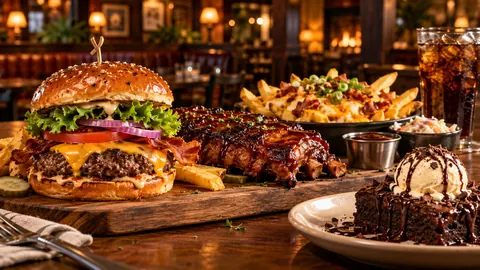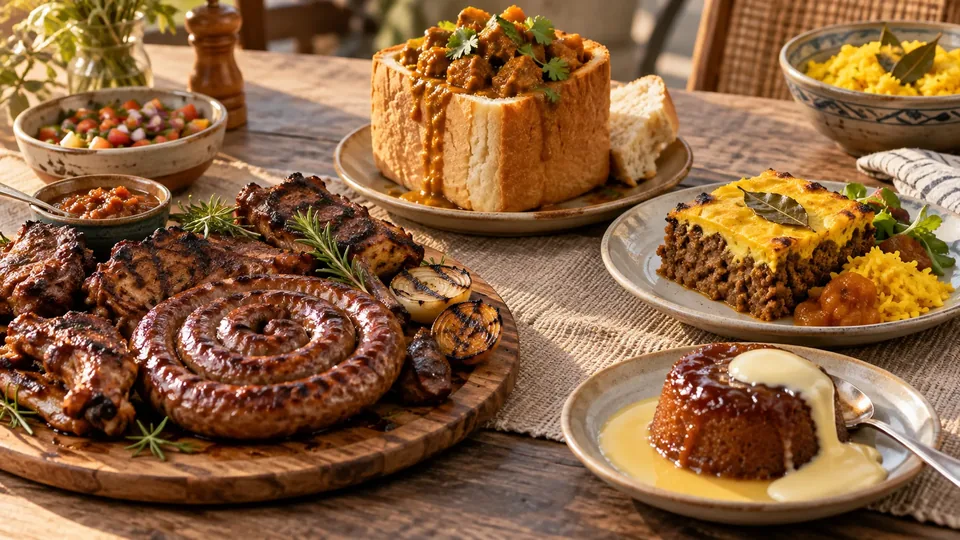
Ask five South Africans to name the country's best food and you may get five different lists. That is part of the pleasure. The food changes from coast to coast, from a family kitchen to a roadside takeaway, and from a quick lunch to a long Sunday meal. These five dishes are a good place to begin. Here is what you are actually ordering, how to enjoy it, and what to ask before you pay.
Start with a braai if someone invites you to one. Pick up a bunny chow when you are hungry enough for a proper lunch. Order bobotie when you want a gently spiced baked meal, and look for boerewors when the fire is going. Save malva pudding for the end. You do not need to eat them all in one day. In fact, each one makes more sense in its own setting.
These are suggestions, not a claim that five dishes can stand for every South African community. A menu can tell you what a dish contains, but the person making it and the place where you eat it matter just as much. Recipes vary. So do portions, heat levels, prices, and the sides that arrive with the main dish. Use the details below to choose well, then check the current menu at the restaurant.
1. Braai: food cooked over a fire, shared at your own pace
A braai is often described as a barbecue, which is a useful starting point. There is food cooked over coals, and there are people standing nearby, waiting for it. But the word also describes the gathering around the fire. Someone tends the coals. Other people bring a salad, bread, a relish, or drinks. The meal may take most of an afternoon, and nobody seems especially troubled by that.

There is no single braai menu. You might see lamb chops, chicken, steak, boerewors, or a mix. At a restaurant, the word can simply mean a grilled meat plate. At a home, it may include several rounds of food as different pieces come off the fire. If you are invited to bring something, ask the host what would help. Turning up with another packet of meat when everyone needs ice or salad is not always the best contribution.
What makes a good first plate?
Begin with one protein and one or two sides. Boerewors is an easy introduction because its coriander-led seasoning tastes different from an ordinary plain sausage. Chicken is often a comfortable choice if you are unsure about stronger flavours. Chops give you a more direct taste of the fire, although they can be rich. If you order at a restaurant, check whether the plate includes a starch or salad; menu photographs do not always show what is included in the listed price.
Pap, a maize meal staple, is a common partner for grilled meat. It may be soft or firm enough to cut, depending on how it is prepared. Chakalaka is a vegetable relish that can add heat and acidity to an otherwise rich plate. Tomato and onion relish, potato salad, bread, and leafy salads also fit naturally on the table. The point is balance: smoke, salt, something fresh, and something to soak up the juices.
Fire cooking is easy to romanticise, but the practical details make the meal. A cook waits for suitable coals rather than putting everything over a high flame. Thick and thin pieces need different times. Chicken must be cooked through; steak is often served to a stated preference. At a restaurant, ask how the meat is cooked and whether you can choose the doneness. At a home braai, let the person managing the fire manage the fire unless they ask for help.
How to order without overspending
Mixed grills look generous, but they are not always the best value for one person. Read the weight and the number of sides. A plate described as a “braai combo” may have a smaller portion of each meat than you expect. Sharing can work well if two people want to taste different things. If you are comparing menus, compare the full plate rather than the headline price: a cheaper meat-only order may become dearer once you add pap, chips, sauce, and a drink.
Ask whether sauces are included or charged separately. The same goes for a second starch and for delivery packaging. At a busy outdoor venue, expect a wait while the meat is cooked. A short wait is not a bad sign; a fire does not work like a microwave. If you are in a hurry, tell the server before ordering and ask what is ready sooner.
South African Tourism includes a traditional braai and boerewors among the foods travellers should seek out. That is a helpful endorsement of the experience, but a good braai is less about a famous address than about fresh food, careful cooking, and the company around the table.
2. Bunny chow: Durban curry in a loaf of bread
Bunny chow sounds puzzling until you see it. A quarter or half loaf of white bread is hollowed out and filled with curry. The soft bread removed from the middle is usually placed on top or alongside, ready for dipping. The bread is part of the meal, not a disposable bowl. As the curry sits, the inside absorbs the sauce, so the last bites are often the most satisfying.

Durban is the place most closely linked with the dish. South African Tourism describes the city's Indian food traditions and the place of bunny chow within them. Stories about exactly who made the first one differ, so it is better to treat a neat origin tale with care. What is clear is that the dish belongs to a living food culture, with many cooks and shops making their own versions today.
Choose the filling first
Bean curry is a good starting point for a meat-free meal, but ask whether the sauce contains any animal ingredients if that matters to you. Chicken is familiar and usually easy to eat from the bread. Lamb or mutton can be deeper and richer; pieces with bones may need more care. The curry itself matters more than the label. A dry filling leaves the bread plain, while a thin sauce can soak it too quickly. You want enough gravy to reach the corners without turning the loaf into mush before you begin.
Heat is another reason to ask a question. “Durban curry” does not tell you exactly how hot a particular shop makes its pot. Some cooks build flavour with aromatic spices and then add a sharp chilli bite. Others keep a gentler base. If you do not enjoy much heat, say so before ordering. A serving of sambal, yoghurt-based accompaniment, or extra bread may help, but not every takeaway offers those options.
Quarter, half, or something smaller?
A quarter loaf is often a substantial meal. A half loaf can be very large, especially when packed with curry. Check the size before ordering for a child or for someone with a light appetite. If two people want to sample the dish and still try something else, one quarter and a side may make more sense than two large portions. When comparing prices, look at both the bread size and the filling. A bean bunny and a lamb bunny should not be treated as identical products just because they use the same bread.
Many people eat bunny chow by hand. Start with the loose piece of bread, then tear the edges of the loaf and use them to scoop up curry. A spoon is perfectly sensible if the filling is very saucy or you are eating at a desk. Have napkins nearby. If you are taking it home, ask for the curry separately when the trip will be long; some shops will do that, and it can keep the bread in better shape. The experience at the counter is usually the best test of texture.
It is worth checking what comes with the order. Sliced carrot or another simple salad may be served with a bunny, but it is not universal. Drinks are generally separate unless a combo says otherwise. Delivery fees can make a modest takeaway much less modest. If a menu offers several sizes without showing weights, ask the staff what they would recommend for one hungry adult.
South African Tourism describes the bread-and-curry format and gives visitors a useful picture of the dish. The best next step is to choose a busy shop with a curry you like. The loaf is the clever part, but the curry is the reason to go back.
3. Bobotie: a gentle balance of savoury and sweet
Bobotie is a baked dish with a spiced minced-meat base and an egg-and-milk topping that sets in the oven. It is often served with yellow rice. The first bite can surprise someone expecting a hot curry: the flavour is warm and aromatic, while the topping softens the seasoning. Chutney, dried fruit, or other sweet notes may appear in the recipe. A good version keeps those notes in balance with the savoury meat.

The name is familiar on tourism menus, but no single recipe speaks for every home. Some cooks use beef; others use lamb or a mixture. Some make the fruit element noticeable, while others keep it in the background. The topping may be thin or thick. At a restaurant, the useful question is not whether a version is perfectly “authentic.” Ask what is in this particular plate and whether it comes with rice, vegetables, salad, or chutney.
What should the plate taste and feel like?
Look for a moist, well-seasoned filling rather than a dry mince hidden under custard. The top should be set, so it holds together when served, but it need not be rubbery. A little sweetness can lift the spices; too much can make the dish feel like dessert before dessert has arrived. Yellow rice gives the meat a mild partner. A spoon of chutney adds sweetness and acidity, so taste the bobotie first and then decide how much you want.
This is a useful choice for someone who wants flavour without relying on chilli heat. It is not automatically mild in every kitchen, though, and it is not automatically free of allergens. The topping usually contains egg and milk; the filling may contain bread, and a restaurant can make substitutions. If you have an allergy, ask the restaurant directly rather than relying on a short menu description. A vegetarian version may use lentils or other ingredients, but the name alone does not tell you whether the topping contains dairy or eggs.
When is it a good order?
Bobotie works well for a sit-down lunch or dinner when you want a complete plate rather than a snack. It also travels reasonably well if packed carefully, though the topping is at its best when served warm. If you are deciding between it and a curry, think about texture. A curry often has more sauce and can offer a stronger chilli kick. Bobotie is baked and sliceable, with the meat and topping eaten together. Neither is a substitute for the other; the comparison simply helps you pick the meal you actually want.
Menus sometimes call bobotie a national dish. South Africa has many food traditions, so that label is a description of its fame rather than an official answer to what the whole country eats. South African Tourism includes bobotie among its examples of local food, alongside braaivleis and other dishes. That is a better way to place it: a widely recognised dish with room for different family recipes.
When comparing prices, check the sides again. A listed bobotie portion might be a main course with rice and vegetables or a smaller serving in a mixed tasting plate. If dessert is on your mind, a modest main may leave room for malva pudding later. That is a more useful decision than ordering by the longest menu description.
4. Boerewors: the sausage that belongs near the coals
Boerewors is often seen curled into a spiral before it goes on the grill. It is a seasoned South African sausage commonly made with meat and spices that include coriander. It may be served at a braai, on a plate with pap and relish, or tucked into a roll as a boerie roll. The form is simple, but the result changes with the maker, the meat blend, the grind, and the way it is cooked.

If you have only eaten mild supermarket sausage, expect a different flavour. Coriander gives many versions their familiar character, and the fat keeps the sausage juicy when cooked well. The casing should have a pleasant bite without feeling tough. Overcooking dries the inside, so a good sausage needs attention on the fire. A roll with a generous spoon of tomato-and-onion relish is a straightforward first order.
Boerewors on a plate or in a roll?
The roll is the easier option for a quick lunch. Check whether the price includes onions, relish, or chips. A plate is better if you want to try pap and a side without juggling a sandwich. Some menus pair boerewors with other braai meats. That is fine for sharing, but look closely at the portion size before assuming you will get a full sausage plus full servings of everything else.
Ask about the meat if you avoid a particular animal product. Recipes vary and a short menu may not list every meat used. If you are buying from a market stall, a busy grill and a clear answer about ingredients are useful signs. If you are ordering for a group, count people as well as grams. One long coil on a platter can look impressive until it is divided eight ways.
Make the sides do some work
Pap and tomato relish make a satisfying combination with boerewors because the starch catches the sauce and the tomato cuts through the richness. Chakalaka brings more spice and vegetables. A fresh salad can do the same job with less heat. Chips are familiar, but they make the plate heavier. If you want to taste the sausage itself, keep the first bite simple before adding several sauces.
Boerewors is closely linked with the braai, yet you do not need a private invitation to try it. Look for a grill, market, or restaurant that cooks it to order. South African Tourism lists it among the country's typical foods, which is useful context for a visitor reading a long menu for the first time.
If you see boerewors and braai listed separately, remember that one is the sausage and the other is the cooking and gathering tradition. Trying both is not repeating the same meal. A braai plate may include boerewors, but a boerie roll bought on a busy lunch break tells a different, equally useful part of the food story.
5. Malva pudding: leave room for a warm dessert
Malva pudding is a soft baked dessert, often made with apricot jam, then served with a warm sauce that sinks into the sponge. It is usually sweet, rich, and much more comforting than its plain appearance suggests. A scoop of vanilla ice cream or a pour of custard gives a hot-and-cold or hot-and-warm contrast. If you prefer a lighter finish, share one portion.

There is room for variation here too. Some kitchens serve a small, neat square; others bring a deep bowl with sauce pooled at the bottom. The sauce can be buttery and creamy, and the pudding can have a light or dense crumb. If the menu says only “malva pudding,” ask whether custard or ice cream is included. The extra can change both the experience and the total bill.
What makes it worth ordering?
Temperature matters. A warm sponge takes up sauce in a way a cold one does not. The dessert should be moist, but it should still have structure when you lift a spoonful. The apricot jam is usually a background note rather than a strong fruit filling. If you are expecting a tart, fruity dessert, this is probably not it. Think of it as a sauced sponge with a soft, sweet centre.
Malva pudding is a good end to a grilled meal because it changes the pace: after smoke, salt, and relish comes something soft and warm. It also fits after bobotie, though two rich courses may be more than one person wants. The practical solution is to share dessert or ask for a smaller serving. A takeaway portion can travel, but check whether the sauce and ice cream are packed separately.
The usual ingredients can include eggs, dairy, wheat flour, and apricot jam. Do not assume a “plain” looking pudding is suitable for an allergy or dietary restriction. A restaurant may offer its own dairy-free or plant-based version, but ask what changed in the recipe. The name tells you the style of dessert; it does not certify the ingredients.
South African Tourism places malva pudding among local specialities visitors may encounter. That is a good reason to try it once, but the best reason to order it again is simpler: a well-made portion is satisfying without needing a complicated presentation.
How to try all five without turning it into a checklist
If you have a few days in South Africa, give the dishes different moments. Have a bunny chow for lunch when you can sit down and deal with the curry-soaked bread. Try bobotie at a restaurant that describes its sides clearly. Pick up a boerie roll at a grill or market. Say yes to a braai invitation if one comes your way, and order malva pudding when you have time to enjoy it warm. You will learn more this way than by buying five rushed portions in one afternoon.
Travelling with people who eat differently can make a menu harder to navigate. Bunny chow may offer a bean filling; a braai restaurant may have vegetable sides; bobotie and malva pudding can contain several common allergens. Call ahead if a dietary need is strict. Staff can usually tell you more about the current recipe than an old online menu can. Ask about shared grills and preparation surfaces as well as ingredients if cross-contact matters.
Price comparisons need the same care. A dish name is not a standard portion. A quarter bunny differs from a half; a boerie roll differs from a plated sausage meal; a braai platter may be built for two. Check what comes with the price, whether a drink or side is included, and whether the current branch charges differently for delivery. Treat any third-party price list as a guide until the restaurant confirms it.
There is also no need to make a “best” ranking permanent. A person who likes curry may put bunny chow first. Someone who enjoys a slow meal with friends may choose the braai. A child may remember the pudding. The purpose of this list is to help you recognise the dishes and order with confidence, not to tell you which taste should be your favourite.
Quick questions before you order
Is bunny chow always very spicy?
No. The heat depends on the curry and the shop. Ask about the filling and chilli level before choosing. A bean curry can still be hot, and a meat curry can be mild. Size and heat are separate decisions.
Is bobotie the official national dish?
It is often described as a national dish because it is well known, but South Africa has many food traditions. It is more accurate to call bobotie one of the country's recognised dishes than to claim it represents every kitchen.
Are braai and boerewors the same thing?
No. A braai is cooking over a fire and, often, the social meal around it. Boerewors is a seasoned sausage that may be cooked at a braai. You can order boerewors in a roll without attending a braai.
Which dish is easiest to share?
A mixed braai plate can be easy to share if the menu states the portion clearly. Malva pudding also works well as a shared dessert. A bunny chow is possible to split, but the bread becomes messy once the curry has soaked in.
Where should I start if I have one meal?
Choose the dish that fits your location and appetite. In Durban, bunny chow is an obvious place to begin. At a relaxed grill, try boerewors or a braai plate. At a sit-down restaurant with a traditional menu, bobotie followed by a shared malva pudding makes a good introduction.
Source note: Dish descriptions and regional context were checked against South African Tourism food guidance. Ordering suggestions are editorial guidance; menus, recipes, and prices differ by venue.