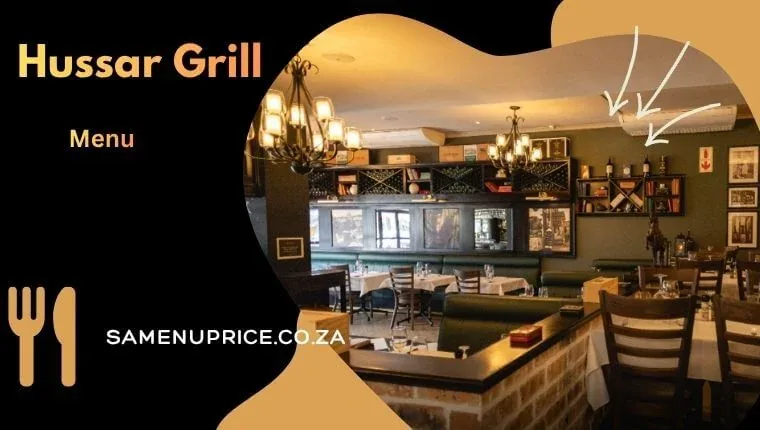
The Hussar Grill is a South African steakhouse known for wet-aged beef, flame-grilled cuts, ribs, venison and old-style grill-room dishes. Current examples checked in September 2026 put rump and sirloin from about R189, fillet from R255 and rib-eye from R340 at a selected branch. Branch menus can differ, so the exact restaurant matters.
The May 2026 national menu states that beef is wet aged for at least 28 days. It also says gratuity is not included and tables of eight or more are subject to a standard 10 percent gratuity. Use this guide to compare cuts and build a budget, then confirm the current branch price and serving.
Hussar Grill prices at a glance
| Item | Selected current example | Price note |
|---|---|---|
| Rump | From about R189 | Price changes with weight and branch |
| Sirloin | From about R189 | 200g, 300g and larger options may appear |
| Fillet | From about R255 | Usually costs more per gram |
| Rib-eye | From about R340 | Marbled cut, often 300g or more |
| T-bone | About R370 to R450 | Branch and menu edition vary |
| Beef burger | About R145 to R186 | Branch and delivery channel vary |
| Sauces | About R42 to R46 | Some contain alcohol |
| Desserts | About R75 to R94 | Recipe and branch can differ |
These examples do not create one national fixed tariff. A casino location, neighbourhood restaurant and delivery platform can show different amounts. Compare the same cut, weight, included side and channel.
How steak weight affects the price
Rump and sirloin commonly appear in 200g, 300g and 500g portions. One current branch example listed 200g at R189, 300g at R235 and 500g at R345. The larger steak lowers the price per gram, but it is useful only when you want that much meat.
Fillet examples were R255 for 200g and R345 for 300g. Fillet costs more because it is valued for tenderness and has less connective tissue. It is leaner and milder than rib-eye. Paying more does not guarantee that every diner will prefer its flavour.
Rib-eye examples were R340 for 300g and R390 for 400g. Rib-eye contains more internal fat, or marbling, which melts during cooking and brings flavour. A diner who dislikes visible or rendered fat may prefer fillet or trimmed rump.
Compare cuts at a weight you can finish. A 500g steak plus side, starter and dessert is a large meal. Choosing a 200g portion can leave room for other courses and reduce waste.
Rump, sirloin, fillet or rib-eye?
Rump offers a strong beef flavour and generally the lowest entry price. It has a firmer bite than fillet. It works well with the house basting or a pepper sauce.
Sirloin has a strip of fat along one edge. Diners who enjoy that fat often find it more flavourful than fillet. The meat itself remains relatively tender when cooked appropriately.
Fillet is the tenderness choice. It has little fat and a fine texture. Because the flavour is gentler, sauce or basting can play a larger role. A smaller fillet can still cost more than a larger rump.
Rib-eye balances tenderness with heavy marbling. It is rich and best for a diner who enjoys fat. Ordering it well done can render more fat but may also firm the meat; discuss the desired result with the server.
Steak doneness
Rare steak has a cool-to-warm red centre. Medium rare is warmer and red, medium is pink, and medium well retains only a small amount of pink. Well done is cooked through. Thick and thin cuts respond differently even when ordered at the same level.
If the colour or temperature matters, describe it rather than relying only on a word. The steak continues cooking slightly while resting. A thick fillet can have a different edge-to-centre gradient from sirloin.
Personal health and comfort come first. Pregnant diners, young children, older adults or people with reduced immunity may need meat cooked more thoroughly. Follow professional guidance rather than a steakhouse fashion.
Meat on the bone
Bone-in options have included 300g fillet on the bone, 500g sirloin on the bone, 600g T-bone and large tomahawk. The bone contributes to the listed weight, so the edible meat is less than the headline grams.
A selected branch showed fillet on the bone around R299, sirloin on the bone R275 and T-bone R370. Another current example placed T-bone higher. That variation is why the branch menu must be named.
T-bone combines strip steak and a smaller fillet section divided by bone. A tomahawk is a rib steak with a long bone and dramatic presentation. These cuts suit diners who value flavour and presentation, not only boneless yield.
An 850g flambéed tomahawk was around R545 on one branch sample. It used spice, brandy and chimichurri. Ask whether it is intended for one diner or sharing and whether the alcohol treatment can be changed.
House speciality steaks
Bone Marrow Rump combined steak with marrow-infused butter and a marrow bone. Examples were around R220 for 200g and R265 for 300g. It is richer than plain rump and unsuitable for someone wanting a lean plate.
Blue Cheese Sirloin used a creamy blue-cheese sauce. Selected prices were about R215 for 200g and R255 for 300g. The sauce is strong, salty and dairy based.
Beef and Reef paired rump or sirloin with calamari or queen prawns. Examples were R285 for 200g and R335 for 300g. It combines meat and seafood, so shellfish and shared-equipment questions matter.
Chateaubriand uses fillet and a brandy flambé, traditionally served with béarnaise. Confirm current weight, price and whether it is portioned for one or two. It contains alcohol in preparation and egg and butter in béarnaise.
Ribs, lamb and pork
Pork loin ribs were listed from about R240 on one branch menu. Beef ribs 500g were about R315. Rib weight includes bone, and basting contributes to the final flavour.
Grilled lamb loin chops were around R325 for four 100g chops. The listed weight includes bone. Lamb has a distinct flavour and is often paired with the Hussar basting.
Lamb shank was around R349, slow roasted in red-wine jus and served with mash. It is a soft braised dish rather than a grilled cut. The wine-based sauce matters to diners avoiding alcohol.
Pork belly appeared in 300g and 600g sizes around R198 and R305 on a current branch example. It has a high fat content and is much richer than chicken or fillet.
Game and venison
The Hussar Grill has long included South African venison. Availability can include springbok, kudu or other game depending on branch and supply. Game is usually leaner than heavily marbled beef and can become firm if overcooked.
Cured springbok carpaccio is a starter rather than a steak main. Cured or rare preparations are unsuitable for some diners. Ask about current preparation, allergens in the dressing and cooking alternatives.
A game steak can be a useful choice for a visitor wanting a South African meat, but it should not be ordered only as novelty. Ask the server to explain flavour, cut and recommended doneness.
Burgers and lighter grills
The Hussar beef burger uses a 200g South African beef patty, while some branches also offer grilled chicken. A restaurant example was around R145, with sauce or topping versions from R165. Delivery examples can be around R186.
Toppings can include bacon, biltong, feta, blue cheese or avocado. Each changes the salt, fat and allergen profile. A plain burger gives the clearest price and is easier to customise.
Prego roll was around R160 on a branch sample, using sliced aged steak, prego sauce and onion on a toasted roll. It is a practical lower-cost route to steak flavour without ordering a full cut.
Deboned half chicken was around R164 with lemon-herb, peri-peri or barbecue basting and a side. It suits diners who want a grill meal without red meat. Confirm current branch pricing.
Sauces and basting
Sauce examples were around R42 to R46. Choices can include mushroom, Madagascan pepper, monkeygland, garlic, mustard, cheddar cheese, blue cheese and chimichurri. Béarnaise is served at room temperature.
Monkeygland sauce contains no monkey. It is a sweet and tangy South African sauce, usually tomato based. Béarnaise contains egg and butter. Cheese sauces contain dairy.
The national menu warns that some sauces contain alcohol. Ask about the exact sauce if avoiding alcohol. Flambéing or cooking does not guarantee zero residual alcohol.
A steak already uses house seasoning or basting unless requested otherwise. Add sauce only when it improves your chosen cut. Heavy blue cheese can overwhelm fillet; pepper or chimichurri can provide a cleaner contrast.
Sides
Steak and grill mains often include a choice of side, but inclusions can vary. Typical steakhouse sides include chips, creamed spinach, butternut, mash, vegetables or potato. Confirm current options.
If one side is included, avoid adding another before seeing the portion. Creamed spinach and butternut is a classic combination where a two-part vegetable side is offered. Chips give a familiar steakhouse plate.
Bone marrow can be added to steak for around R30 on one current menu. It is an intense, fatty addition rather than a conventional filling side.
Starters and salads
Starter options vary but can include carpaccio, calamari, snails, soup, chicken livers and salads. A starter may cost R100 to R170 or more depending on branch and ingredient.
Caprese salad was around R135 with buffalo mozzarella, tomato, basil, pesto and balsamic. Greek and green salads were around R109. These can be starters or sides.
Cajun chicken salad adds grilled chicken, feta and avocado to greens and corn, making it a possible main. Ask about portion and dressing rather than assuming every salad is light.
Desserts
Current dessert examples generally fell between about R75 and R94. Malva pudding is a warm South African sponge with a caramel finish, served with custard, ice cream or cream. Crème brûlée gives cold custard under a crisp caramel layer.
Death by Chocolate is a baked chocolate dessert with biscuit, orange and ice cream. Baked cheesecake uses a biscuit base. Both contain dairy, egg and gluten in ordinary preparation.
Hussar Grill Ice Cream Dessert combines ice cream, peanut brittle, marshmallow, nougat, honeycomb, nuts and chocolate sauce. It contains clear nut and dairy allergens and several textures.
Chocolate Vodka Martini is an alcoholic after-dinner drink rather than an ordinary dessert. It was around R75 on one recent menu and higher on some listings. Drink responsibly and check the branch price.
Estimating the bill
A 200g rump at R189 with an included side and a soft drink can form one of the lower-priced steak meals. Add 10 percent service and the bill moves beyond the menu headline.
A 300g fillet at R345 plus R46 sauce and R86 dessert creates a food subtotal around R477 before drinks and gratuity. A starter can push the meal beyond R600.
Two diners ordering R340 rib-eyes, one shared R135 salad and two R80 desserts would spend around R975 on food before drinks and service. Use current branch prices for the real total.
Large bone-in cuts and wine raise the bill quickly. Check whether a tomahawk can be shared and whether extra sides are required. Compare final cost per person, not just the dramatic steak price.
Gratuity and group bookings
The May 2026 menu states that gratuity is not included. It describes 10 percent or more as the norm for good service, depending on quality. Tables of eight or more carry a standard 10 percent gratuity.
Check the bill before adding another tip to a group charge. Ask about deposits, set menus and cancellation rules when booking a large table. Branch terms can differ.
For split bills, ask before ordering. A large group should decide whether extras and shared wine are divided equally or paid by the people who ordered them.
Allergens and gluten
The national menu states that Hussar Grill kitchens are not gluten- or allergen-free. It names milk, soy, fish, shellfish, tree nuts, peanuts, eggs, wheat and gluten among kitchen allergens.
The restaurant may take care to reduce contact, but traces can remain. Tell the server the exact allergy and severity. A plain steak can still contact basting, sauce, grill surfaces or side ingredients.
Gluten-free requests need discussion of seasoning, sauce, fryer and side. Dairy appears in butter, mash, spinach, cheese sauces and dessert. Shellfish appears in beef-and-reef combinations.
How to choose well at Hussar Grill
What wet ageing means
Wet ageing stores beef in sealed packaging under controlled refrigeration. Natural enzymes tenderise the meat over time while moisture remains in the package. The process differs from dry ageing, where exposed meat loses moisture in a controlled room and develops a more concentrated flavour.
The Hussar Grill states that its beef is wet aged for at least 28 days. That claim describes the preparation before cooking. It does not mean every cut becomes equally tender. Fillet, rump, sirloin and rib-eye come from different muscles and keep their own texture.
Ageing does not replace correct storage or cooking. The restaurant controls the food-safety process; a customer should not try to reproduce commercial ageing by holding ordinary packaged meat at home. Leftover cooked steak still needs prompt refrigeration.
Three sample steak orders
For a cost-controlled first visit, choose a 200g rump or sirloin from about R189 and use the included side. Skip paid sauce until you taste the house basting. A basic drink and service can keep the total nearer the lower end of the steakhouse range.
For tenderness, choose a 200g fillet from around R255 and add a light sauce only if wanted. A larger 300g fillet example cost R345, so the extra 100g added roughly R90. The smaller size leaves more room for a starter or dessert.
For rich beef flavour, choose a 300g rib-eye around R340. Pair it with vegetables or salad rather than another heavy addition. The marbling already supplies richness. Blue-cheese sauce, bone marrow and creamy spinach together can overwhelm the plate.
For sharing, compare a large T-bone or tomahawk with two separate steaks. One shared cut can be good value and create a centrepiece, but it requires agreement on doneness. Two steaks allow different cuts, temperatures and sides.
How to send back an incorrectly cooked steak
Check the centre soon after the plate arrives. If it is clearly different from the requested temperature, tell the server politely before eating most of it. Describe what you see: for example, a cold red centre when medium was requested.
A steak that is undercooked can usually return to the heat. An overcooked steak cannot be reversed and may need replacement. Give the restaurant an opportunity to correct the plate. Waiting until the end makes it harder to assess and resolve.
Remember that lighting and basting affect colour. The server can help confirm doneness. Food-safety needs should be stated at order time so the kitchen understands that they are essential rather than a preference.
Pairing sides with cuts
Rump and sirloin work with chips, roast potato or mash when you want a classic plate. Rib-eye benefits from a fresh salad or green vegetable because the meat contains more fat. Fillet can take a richer sauce and starch without feeling as heavy as rib-eye.
Lamb shank already comes with mash in the branch example, so another potato side repeats the same role. Beef and Reef already combines two proteins; a simple vegetable side is enough. Burgers generally include their own starch at many branches, but confirm.
Creamed spinach and sweet butternut are a familiar South African steakhouse pairing. They bring dairy and sweetness. Diners avoiding dairy should ask for plain vegetables or salad and check the dressing.
Wine and non-alcoholic drinks
Red wine is a common steak pairing, but the most expensive bottle is not necessary. A medium-bodied red can suit rump or sirloin, while a fuller wine can stand beside rib-eye. Ask for a glass when only one diner drinks or when the table wants different styles.
Wine pairing should not dictate the steak. Choose the cut and sauce first, then ask which current by-the-glass option works. Blue cheese, chilli, sweet basting and shellfish all change the pairing more than the word “beef”.
Non-alcoholic options can include water, soft drinks, alcohol-free beverages, tea and coffee. Sparkling water helps refresh the palate with fatty meat. Drivers and anyone avoiding alcohol should check whether sauces or flambéed dishes also contain it.
Branch and channel differences
Hussar Grill operates several restaurants, and not every menu price is identical. A George sample listed lower historical entry prices than a current Montecasino listing. Promotions may run only at participating branches and for specific dates.
A delivery menu can charge more than dine-in and may offer a shorter range. Steak also changes during travel because it continues to rest and loses heat. A burger, ribs or slow-cooked dish can be more predictable for delivery than a precisely cooked fillet.
Before using a price found online, check the branch name, date and channel. “From R189” means the smallest listed cut at a selected restaurant, not every steak nationwide. The final basket or restaurant menu is authoritative for that order.
Specials and set menus
Seasonal lunch, date-night and festive menus may offer two or three courses for a fixed amount. They can provide good value when the available dishes match your preferences. A promotion is less valuable if you add several substitutions or would normally order only one course.
Confirm participating branches, days, serving hours and end date. Ask whether steak supplements, drinks or service are included. A special shown in an old social post may have expired even when the image still appears in search.
Large groups may be offered a set menu to simplify service. Read deposit and cancellation rules before collecting money from guests. The standard 10 percent group gratuity for eight or more still needs to be understood alongside any event terms.
Questions worth asking
- What is today’s price for this cut and weight?
- Is the weight bone-in or boneless?
- Which side is included?
- Does the steak receive the house basting?
- Does this sauce contain alcohol, dairy or gluten?
- Is the game meat available today?
- Does the promotion apply at this branch and time?
- Has the group gratuity already been added?
These questions turn a broad online price into a clear order. They also prevent the common mistake of comparing a small boneless steak with a large bone-in cut or a dine-in meal with a delivery item.
Choose rump for value and beef flavour, sirloin for its fat edge, fillet for tenderness and rib-eye for marbling. Select the smallest weight that suits your appetite, then check the included side.
Choose bone-in steak for presentation and deeper flavour, while remembering the bone counts towards weight. Choose lamb shank for slow-cooked comfort or burger and prego roll for a lower-cost grill meal.
Ask the branch about current price, weight, basting, side and doneness. Add sauce only if needed. Leave room for dessert rather than automatically choosing the largest steak.
Prices in this guide were reviewed in September 2026 using the May 2026 national menu and selected branch examples. Existing slug and topic are preserved, while branch variation and gratuity remain clear.