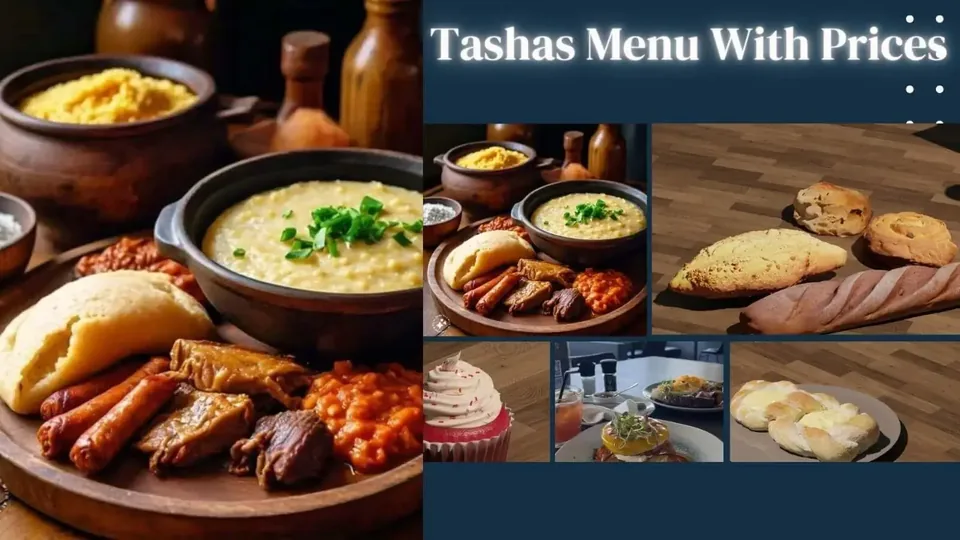
Tashas is a South African cafe brand known for breakfast plates, salads, sandwiches, burgers, pasta, coffee and branch-specific signature dishes. This guide explains current price examples and how to compare them before visiting a branch.
Tashas prices are branch-specific. Current public examples for Mall of Africa include Mini Breakfast around R138, Classic Breakfast around R184, Chicken Wrap around R162, Plain Beef Burger around R184, Panko Hake around R232, Rump Steak around R286 and Cappuccino Normale around R46.
Quick price answer
Tashas sits above basic fast-food pricing because it is a cafe restaurant with plated breakfasts, salads, burgers, mains and coffee. A light coffee visit can stay modest, but a full brunch or lunch with drinks can move much higher. Branch menus can differ, so one Tashas price list should not be treated as a national fixed menu.
For the most realistic budget, choose the exact branch first. Mall of Africa, Melrose Arch, Nelson Mandela Square and other locations may show different items or inspired menus. Delivery platforms may also show a separate price from dine-in.
Current menu price snapshot
| Menu area | Reviewed prices | Best use |
|---|---|---|
| Breakfast | Mini Breakfast about R138; Classic Breakfast about R184 | Best for brunch planning |
| Sandwiches and wraps | Chicken Wrap about R162; toasted sandwiches lower | Good for a lighter lunch |
| Burgers and mains | Plain Beef Burger about R184; Panko Hake about R232; Rump Steak about R286 | Full meal budget |
| Salads and bowls | Chopped House Salad about R148; Caesar about R174; Halloumi Salad about R196 | Useful for lighter mains |
| Coffee | Cappuccino Normale about R46 | Add to breakfast or cake |
Tashas menu and prices
The table below makes it easier to compare the main menu sections. Tashas menus can differ by location, so check the selected branch before ordering.
| Items | Prices |
|---|---|
| Slice of cake | R 88 |
| Savvas Chicken Pasta | R 152 |
| Green Goddess | R 90 |
| Bolognese | R 126 |
| Arrabbiata (V) | R 88 |
| Items | Prices |
|---|---|
| Hummus Toastie | R 143 |
| Dr Paw Paw (V) | R 153 |
| Citrus Sunrise (V) | R 160 |
| Oats | R 73 |
| Butternut zucchini rosti (V) | R 130 |
| Classic Breakfast | R 173 |
| Mini Breakfast | R 115 |
| Plain Omelette | R 73 |
| Old School Omelette | R 140 |
| Classic French Toast | R 123 |
| Salmon Scramble | R 155 |
| Sweetcorn Scramble | R 128 |
| Livers on Toast | R 123 |
| Items | Prices |
|---|---|
| Tashas Comfort Quinoa Bowl (V) | R 135 |
| Fruit Salad | R 118 |
| Items | Prices |
|---|---|
| Chopped House Salad (V) | R 140 |
| Tashas Caesar | R 153 |
| Butternut Salad (V) | R 165 |
| Texas Salad (V) | R 165 |
| Quinoa & Barley Feta Salad (V) | R 170 |
| Halloumi Salad | R 195 |
| Tuna Garden Salad | R 198 |
| Items | Prices |
|---|---|
| Rump Zarmie | R 170 |
| Schnitzel Sarmie | R 190 |
| Prego | R 160 |
| Sicilian Panini (V) | R 135 |
| Whole Wheat Chicken Wrap | R 140 |
| Items | Prices |
|---|---|
| Sao Paulo | R 153 |
| The South African | R 158 |
| The Greenland | R 140 |
| Tasha’s Quesadillas Menu | |
| Tashas Easy Eating Menu | |
| Beef Burger | R 185 |
| Lemon Chicken | R 173 |
| Parmesan & Couscous Crusted Chicken | R 168 |
| Steak | R 230 |
| Items | Prices |
|---|---|
| Ninetta’s Napoletana (V) | R 86 |
| Arrabbiata (V) | R 88 |
| Bolognese | R 126 |
| Creamy Pesto | R 167 |
| Savvas Chicken Pasta | R 152 |
| Baked meat pasta | R228 |
| Zucchini Rosa (V) | R140 |
| Items | Prices |
|---|---|
| Chips | R 48 |
| Crushed Baby Potatoes | R 35 |
| Side Greek Salad | R 73 |
| Side Broccoli | R 65 |
| Side Butternut | R 45 |
| Rice | R 40 |
| Side Green Salad | R 70 |
| Tashas Cake Menu | |
| Slice of cake | R 88 |
| Items | Prices |
|---|---|
| Coke | R 40 |
| Coke Light | R 40 |
| Sprite | R 40 |
| Fanta | R 40 |
| Still Water | R 36 |
| Sparkling Water | R 36 |
| Items | Prices |
|---|---|
| Peanut Protein | R 90 |
| Berry Acai | R 90 |
| Golden Mango | R 90 |
| Green Goddess | R 90 |
| Items | Prices |
|---|---|
| Chicken Breast | R 53 |
| Goats cheese | R 53 |
| Sundried tomatoes | R 35 |
| Cottage cheese | R 40 |
| Cheddar | R 28 |
| Olives | R 35 |
| Feta | R 23 |
| Mozzarella | R 28 |
| Avo | R 43 |
| Halloumi | R 65 |
| Italian sausages | R 43 |
| Bacon | R 40 |
| Parma Ham | R 73 |
| 150g Rump | R 93 |
| 40g Smoked Salmon | R 90 |
| 170g tuna | R 73 |
| Macon | R 53 |
Why Tashas prices vary by branch
Tashas is not a single flat national menu in the way some quick-service chains are. A branch can carry classic items and also its own inspired dishes. That is why one price article should always name the branch or say that the figures are examples. Without that scope, a reader may expect the wrong dish at the wrong location.
This matters most for premium breakfasts, seafood, steak, salads and signature plates. A cappuccino or simple breakfast may be easier to compare, but larger dishes depend on the branch menu and current availability. Always check the live menu when planning a specific visit.
Breakfast and brunch budget
Breakfast is one of the main reasons people search for Tashas prices. A smaller breakfast helps control the bill, while a classic breakfast or salmon-style dish can cost much more. Add coffee, juice or a smoothie and the final brunch amount changes quickly.
For a practical brunch, choose either a richer plate or a premium drink, not every upgrade at once. If two people are eating, one can choose a breakfast plate and the other a lighter toast, salad or sandwich. That gives variety without making the table too expensive.
Lunch choices
For lunch, wraps, toasted sandwiches, salads, burgers and mains all compete with each other. The cheapest item is not always the best value if it leaves the diner hungry. A burger or hake plate can be a fuller meal, while a salad may suit someone who wants something lighter.
Look closely at sides. A burger with fries included is easier to compare than a dish that needs an extra side. A salad with added protein can become close to a main-course price. The right choice depends on appetite, not only on the category name.
Coffee, cake and light orders
Tashas also works as a coffee stop. A cappuccino and cake can cost much less than a full meal, but it still needs a realistic budget. Cake slices, pastries and specialty drinks can add up when more than one person orders.
For a quick meeting, coffee or tea with one shared sweet item is often enough. For a longer catch-up, a proper meal may be better value than several rounds of drinks and snacks. The bill should match the time spent at the table.
Delivery versus dine-in
Delivery app prices can be higher than dine-in and may include a narrower menu. A dish that travels well, such as a wrap or burger, may be a better delivery choice than a delicate plated item. Coffee and crispy foods can lose quality during travel, so collection or dine-in may be better when freshness matters.
Before paying on an app, check delivery fee, service fee and small-order fee. A discounted item can still become expensive once fees are added. For two or more people, compare collection with delivery using the same basket.
Ordering for work meetings
Tashas is often used for casual business breakfasts or lunches. For a work meeting, choose items that are easy to eat and do not need too much attention. Toasted sandwiches, wraps, salads and simple breakfasts are usually easier than messy dishes or meals that need several side plates.
If the meeting has a budget, tell the group in a natural way before ordering. Drinks can be included or left separate. Ask whether the bill can be split, and keep the receipt if it will be claimed as an expense.
Ordering for families
For a family visit, check portion sizes before ordering a full dish for every child. Some children may share a simple plate or choose a smaller item. Avoid assuming that a premium breakfast or burger is needed for everyone at the table.
Parents should also ask about allergens and preparation. Eggs, dairy, wheat, nuts and sesame can appear in breakfast dishes, bread, sauces and desserts. If a child has a serious allergy, speak to staff before ordering instead of relying on a price article.
Price comparison tips
A useful budget starts with the main dish, then adds the side, drink and tip or service charge. Many diners compare only the headline meal price and forget that the final card amount can be much higher. When a menu offers premium proteins, sauces or add-ons, choose those deliberately instead of accepting every suggested extra.
For one person, a single main and water is the cleanest comparison. For two people, sharing one starter and ordering two mains usually gives better value than ordering several small extras. For a group, decide whether everyone wants individual plates or whether sharing items will avoid waste. Shared orders work best when the table agrees on spice level and dietary needs before the order is placed.
Treat the branch as the first part of the price. A restaurant name alone is not enough, because South African venues often run separate dine-in, collection and delivery menus. A dish that looks simple on one platform can include different sides, a different portion or a different service fee somewhere else. The safest way to use this guide is to pick the exact branch, then compare the same item on the same day.
Delivery apps can also lift the visible price before they add delivery, service and small-order fees. That does not always mean the restaurant counter price has changed. It means the channel has its own cost. If you are ordering for a family or group, build the whole basket before deciding. A small difference on one dish becomes a larger difference when five or six items are added.
Menu and SEO preservation
Dietary and allergy notes
For allergens, ask the restaurant directly. A price article can list menu categories, but it cannot confirm the kitchen process on the day you order. Wheat, dairy, egg, nuts, seafood, soy and sesame can appear in bread, sauces, batters, dressings and desserts. Shared grills and fryers may also matter for strict dietary needs.
Vegetarian and vegan choices should be confirmed by ingredient, not only by title. Cheese, butter, cream, stock, egg wash and honey can appear in dishes that sound plant-based. Halaal, kosher and other preparation requirements also need branch confirmation because ownership, suppliers and kitchen handling can change.
How to read the price table properly
Read the table from left to right and keep the item name attached to its own price. Many menu mistakes happen when a reader scans quickly and joins one row with the next row. If a table has sizes, flavours or add-ons, the base price should not be treated as the final price until those choices are complete.
When a menu has several similar items, compare what is actually included. A cheaper dish may be smaller, may exclude a side or may use a simpler protein. A higher price can sometimes be better value if it includes chips, salad, sauce or a larger portion. The table gives the starting point; the notes help explain the real order.
If a price appears old, unclear or different from the checkout, the live branch price should win. Restaurants change menus for supply costs, rent, delivery commissions and seasonal stock. A useful price article should make that clear instead of pretending every figure will stay the same forever.
What changed in this update
The goal is not to make the page complicated. The goal is to give enough plain English detail that a person can make a better order. That means clear sections, direct advice, visible menu information and no unnecessary filler around the table.
Common ordering mistakes
The first mistake is comparing one item price with another item that includes more food. A burger with a side and a burger without a side are not the same budget. The second mistake is ignoring drinks. Soft drinks, coffee, shakes or bottled water can add a noticeable amount when several people are eating.
The third mistake is ordering too many extras because they look small. Sauces, sides, add-ons and desserts can turn an average meal into a premium bill. Choose extras that improve the meal. Skip extras that only repeat what is already on the plate.
The fourth mistake is forgetting the channel. Dine-in, collection and delivery can show different totals. Delivery can be convenient, but it may include higher menu prices plus extra fees. Collection can save money, but only when travel time and fuel make sense.
How to plan a fair group order
For a group, decide whether the bill will be split evenly or paid by item before ordering. This is especially useful when some people order premium dishes and others choose simple meals. A clear agreement keeps the meal relaxed and avoids confusion when the bill arrives.
Shared starters and sides should be ordered only when most of the table wants them. If two people want a shared item and the rest do not, it should not quietly become a group cost. The same applies to desserts, bottled water and table drinks.
For family orders, match the quantity to appetite. It is easy to over-order when reading a full menu. Start with the mains, then add one or two sides if needed. More food can usually be ordered later, while wasted food cannot be turned back into money.
Freshness and final confirmation
Use the review date as a freshness signal. A newer review is more useful than an old screenshot, but even a current review can become outdated if the restaurant changes suppliers, launches a new special or updates delivery pricing. That is why final confirmation still matters.
The most reliable confirmation is the restaurant's current menu, the live delivery basket or a direct quote from the branch. If the article and the checkout disagree, the checkout is the number that will be charged. Screenshots, cached pages and older blog posts are helpful for planning, not for arguing at the till.
For special occasions, confirm more than the food price. Ask about deposits, service charges, cake policy, seating time, parking, wheelchair access and group rules if those details matter. A good meal plan includes the whole visit, not only the menu line.
Simple order examples
A low-spend order should stay focused. Pick one main item, use the included side if there is one, and choose tap water or a simple drink where available. This kind of order is useful for lunch breaks, solo meals and quick visits where the goal is to eat well without turning the meal into a long occasion.
A balanced order adds one useful extra. That could be a side for a main that needs it, one starter shared by two people or one dessert shared after the meal. This approach gives the visit a little more variety while keeping the final amount easy to understand.
A premium order is different. It may include seafood, steak, a loaded main, a premium drink, dessert or several shared plates. There is nothing wrong with that choice, but it should be made deliberately. Once the order becomes premium, compare the full bill rather than judging each item alone.
For takeaway, choose food that travels well. Crispy items, delicate salads, plated sauces and hot drinks can lose quality during delivery. If freshness matters more than convenience, collection or dine-in may be better. If convenience matters most, accept that the best delivery item may not be the same as the best dine-in item.
Final checklist before ordering
Before ordering, check five things: the branch, the date, the item size, the included sides and the final basket total. These five checks catch most price surprises. They also help readers compare restaurants fairly because the same type of meal is being compared against the same type of meal.
If the order is for a group, save the confirmed menu or checkout screen until the meal is collected or delivered. This makes it easier to solve a missing item, wrong side or unexpected substitution. For dine-in, read the bill before paying and ask questions while staff can still check the order.
When a page is updated again, the same rule should apply: keep the useful menu rows, correct the prices that can be verified and explain any branch limits in plain language. That gives search visitors a better page and gives regular readers a price guide they can actually use.
The strongest version of a menu article is practical, current and calm. It should help someone decide what to order, what to confirm and how much money to keep aside before they reach the counter, table or checkout screen.
Frequently asked questions
Are Tashas prices the same at every branch?
No. Tashas menus are branch-specific, and some locations have inspired dishes or different prices. Check the branch menu before visiting.
How much is a Tashas cappuccino?
Recent public examples show Cappuccino Normale around R46 at Mall of Africa. Confirm the current branch price before ordering.
Is Tashas expensive?
It is usually priced like a cafe restaurant, so it costs more than basic fast food. A coffee visit is modest, while a full brunch or lunch with drinks costs more.
Should I use delivery prices as the main Tashas menu?
Use delivery prices only for delivery. Dine-in and collection can differ, and delivery platforms add fees.
The best Tashas order starts with the exact branch, then the meal type: coffee, breakfast, lunch or a full main. This page keeps the existing URL and menu focus while adding clearer current price guidance for South African readers.
Updated price guide notes for Tashas Menu And Prices
This section expands the existing Tashas Menu And Prices menu guide without changing the permalink, post status or menu table. The table above should remain the main quick-reference area for readers. The notes below help visitors understand how to use those prices, what to confirm before paying and how to avoid common ordering mistakes.
Use the listed prices as a planning guide, then confirm the live branch, collection or delivery price before ordering. South African restaurant prices can change because of branch location, delivery platform fees, seasonal ingredients, supplier costs, specials and product availability. A clear price article should show the menu, but it should also explain that the final amount is the current checkout or bill.
How to use the Tashas Menu And Prices menu
Start by choosing the type of meal you want. A quick lunch, a family takeaway, a breakfast visit and a full dinner do not need the same budget. Pick the main item first, then add only the sides, drinks and sauces that make the order complete. This keeps the price easy to understand and stops small extras from quietly lifting the total.
When the menu has sizes, flavours or add-ons, read each row carefully. A base price may not include the larger size, premium protein, extra cheese, sauce, side or drink. If the page shows a range, treat the lower figure as the simple version and the higher figure as the more complete or premium version. Do not compare a basic item with a fully loaded one as if they are the same meal.
If you are ordering from a delivery app, build the full basket before deciding. Delivery listings can show different item prices from the restaurant counter, and the platform can add service, delivery or small-order fees. Collection can be cheaper, but only when travel time and transport cost still make sense. The best value is the option with the best final total for your address and timing.
Best value approach
The best value order is usually the one that matches appetite without unnecessary extras. For one person, choose one main item and one drink only if needed. For two people, choose two different mains and share one side or starter if the portions are large enough. For a family, decide whether shared items or individual meals will reduce waste.
Do not judge value by the cheapest row alone. A cheaper item may be small, may exclude chips or may need paid extras. A slightly higher-priced item can be better value if it includes a side, a larger portion or a more filling protein. Look at the complete plate, not only the first number.
For group orders, agree on the budget before adding premium items. Shared starters, desserts, bottled drinks and extra sauces should be chosen deliberately. If one person wants a premium dish and another wants a simple meal, it may be fairer to split the bill by item instead of dividing everything equally.
Branch and delivery price checks
Branch checking matters because many restaurants do not run one exact national price for every channel. A shopping centre branch, a franchise branch, a delivery listing and a dine-in menu can all show differences. If a price is important, confirm the exact branch before travelling or placing a large order.
Delivery prices need a second check. The item price is only one part of the order. Add the delivery fee, service fee, tip, packaging charge and any small-order fee before comparing with collection. A special offer can still cost more than expected when the final basket is higher than the menu price.
For takeaway, choose items that travel well. Crispy foods, delicate salads, plated sauces and hot drinks can lose quality during delivery. If freshness matters more than convenience, collection or dine-in may be the better choice. If speed matters most, choose simpler items that are less likely to suffer during travel.
Ordering for one person
A single diner should keep the order simple. Choose the main item first and decide whether the included portion is enough. If the main already includes a side, adding another side may be unnecessary. If the main is small or snack-style, add one sensible side instead of building a much larger meal by accident.
Drinks can change the total more than expected. Water or a simple soft drink keeps the order controlled. Premium coffee, shakes, large bottled drinks or desserts should be treated as part of the meal budget, not as free extras. This is especially useful when comparing lunch options during a workday.
Ordering for two people
Two diners can usually get better variety by choosing different mains rather than ordering the same thing twice. If one dish is rich or spicy, pair it with something simpler. If both people want a side, check whether one shared side is enough. This keeps the table balanced and reduces leftover food.
Sharing one starter or dessert can be good value, but only when both people actually want it. Do not add a shared item just because it sounds small. Small extras are often the reason a simple meal becomes expensive. Decide before ordering whether the visit is a quick meal or a fuller sit-down experience.
Ordering for families and groups
For families, match the order to appetite and age. Children may not need full adult portions, and some dishes may be too spicy, rich or difficult to eat. Ask about portion sizes, bones, sauces and included sides before ordering for younger diners. A smaller meal that gets finished is usually better value than a large meal that is wasted.
For groups, keep the order easy to track. One person should check the final basket or bill against the actual order. Confirm large platters, shared sides, drinks and desserts before payment. If the restaurant adds a service charge for larger tables, include that in the budget from the beginning.
Allergy and dietary notes
Menu names do not always show every ingredient. Wheat, dairy, egg, nuts, seafood, soy, sesame and other allergens can appear in bread, sauces, batters, dressings, desserts and shared cooking areas. If an allergy is serious, ask the branch directly before ordering. This article can guide price planning, but it cannot confirm kitchen handling on the day.
Vegetarian, vegan, halaal and other dietary requirements should also be confirmed at branch level. Recipes, suppliers and preparation methods can change. A dish that sounds suitable may include butter, cheese, stock, egg wash, shared fryer use or a sauce with hidden ingredients. Direct confirmation is the safest step.
How this page stays useful
This update keeps the existing URL stable for SEO and user bookmarks. It also keeps the menu table visible because readers want to see prices quickly. The extra detail is here to answer the practical questions that usually come after the table: what can change, how to compare prices, what to order for different group sizes and when to confirm with the branch.
Future updates should follow the same pattern. Keep the permalink, keep the useful menu rows, correct outdated prices where they can be verified and explain the branch or delivery scope clearly. That gives readers a better guide without creating broken links or thin duplicate pages.
Final checklist before paying
Before paying, check the branch, date, item size, included sides, selected extras and final total. If those details are correct, the order is much less likely to surprise you. If anything looks different from the table, trust the current branch quote or checkout because that is the amount that will be charged.
Save the receipt or order confirmation until the meal is complete. It helps if an item is missing, a side is wrong or a delivery app needs a support request. For dine-in meals, check the bill while still at the table so the staff can correct any issue quickly.
More menu images