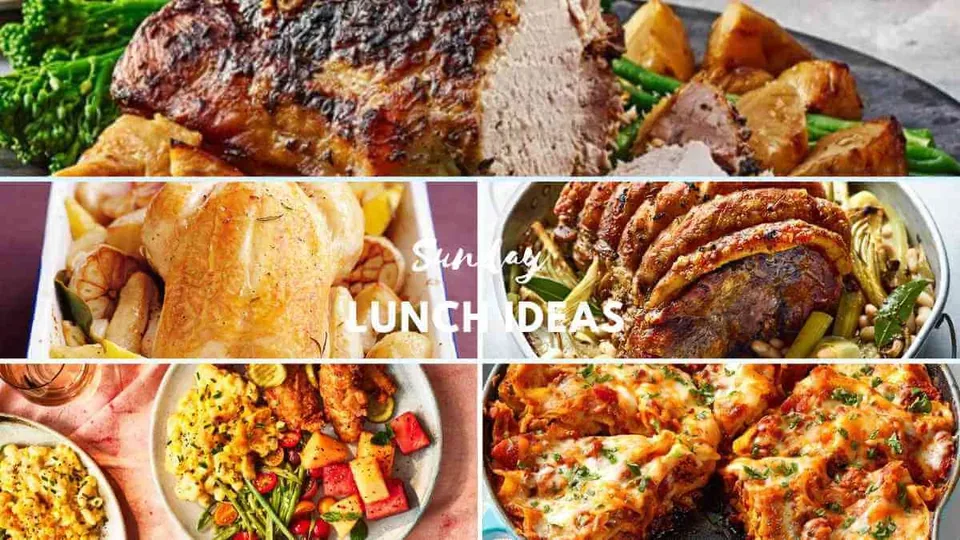
A good Sunday lunch gives people a reason to slow down and sit together. The food can be as simple as roast chicken with potatoes or as involved as a braai that carries on through the afternoon. In South Africa, many tables mix familiar home dishes with a side that belongs to one household in particular. You do not need to serve every traditional food at once. Choose one main idea, add a few sides that make sense with it, and leave yourself enough time to enjoy the meal.
This guide is for planning lunch at home. It covers a braai spread, potjiekos, roast chicken, a slow cooker option, meat-free dishes, sides and dessert. It also explains how to plan portions, handle guests with different needs and put the meal on the table without trying to cook everything in the final half hour. Use it as a menu of possibilities rather than a strict set of rules.
Start with the kind of Sunday you want
Before deciding on a recipe, think about the people and the place. A long outdoor meal suits a braai when the weather is friendly and somebody can look after the fire. A potjie works when the cooking itself can be part of the gathering. Roast chicken is easier to bring to the table at a planned time. A slow cooker dish gives the host more freedom, although it still needs an early start. The best choice is the one that fits your day, not the one that looks most impressive in a photograph.
Ask three practical questions. How many people are eating? Does anyone avoid meat, dairy, gluten or a particular spice? When do you want to eat? Those answers affect the menu more than the size of the kitchen. A group with small children may appreciate lunch at a predictable hour. A relaxed group of adults might enjoy snacks first and a later main meal. Write down the serving time and work backward from it.
A useful plan is one main, two or three sides and one dessert. One side can be fresh, one can be warm and filling, and the third can be a condiment or salad that adds flavour. This gives the table variety without leaving you with six pots to watch. If guests offer to bring something, give them a clear job such as a green salad, bread or dessert. “Bring anything” often leads to three desserts and no vegetables.
A braai spread that feels like lunch
A braai is an easy starting point for a South African Sunday, but the fire alone does not make a complete meal. Choose what will go on the grill, what guests can eat while they wait and what will be ready when the meat comes off. Boerewors, chicken pieces, chops and vegetables all cook at different speeds. Treating them as separate parts of the meal helps each arrive in good condition.
For a small group, one meat and one vegetable option may be enough. Boerewors with braaibroodjies and a tomato salad makes a recognisable lunch without the cost of a mixed grill. For a larger gathering, chicken can carry the meal while a smaller amount of chops or steak adds choice. Skewers with peppers, onions and mushrooms can share the fire, but keep their preparation and serving utensils separate if a guest is vegetarian. Ask whether boerewors or marinades contain ingredients a guest avoids instead of guessing from the name.
Prepare the sides before lighting the fire. A bowl of chakalaka, a potato salad or a simple green salad can wait covered until serving time. Pap needs attention closer to the meal, while braaibroodjies are best grilled when people are ready to eat. If the fire is taking longer than expected, put out something small such as sliced fruit, bread or a dip. Guests can settle in while the cooking catches up.
The common braai mistake is trying to make every item finish at exactly the same moment. It is easier to cook in a sensible order and keep the table moving. Put out salad and condiments, then serve the first finished food while the remaining items cook. Check that chicken is fully cooked before serving and use clean plates and utensils for food that is ready to eat. A relaxed meal still needs careful handling of raw meat.
Potjiekos for a long, unhurried afternoon
Potjiekos is a stew cooked in a heavy pot, often over a fire. It suits a day when people are happy to talk while the food cooks. The pot holds heat well and turns a few basic ingredients into a main dish that can be served from one place. Beef, lamb, chicken and vegetables are all possible starting points. Choose a version your guests will actually eat rather than making a large pot of something unfamiliar to everybody.
Build the meal around the pot's flavour. A beef and vegetable potjie with carrots, onion and potatoes needs only rice or bread and a crisp salad. A chicken version with lighter seasoning can sit beside pap and greens. A vegetable potjie can be substantial when it includes beans, lentils or chickpeas; simply leaving out meat from a thin broth does not make an equal main for a vegetarian guest. Season in stages and taste the liquid before serving.
Do the chopping before guests arrive. Keep vegetables in separate containers so you can add them at the right point for your own recipe. Hard vegetables generally need longer than tender greens. Add enough liquid to prevent sticking, but do not assume more water will improve the result. A watery stew can make every side on the plate wet. If the pot is cooking over coals, maintain steady heat and follow a trusted recipe for your chosen ingredients and pot size.
A potjie is less suited to a lunch with a strict start time if you have never made that recipe before. Fire, pot size and ingredient size all affect cooking. Give yourself room in the schedule. You can prepare the salad and dessert the day before, then let the pot be the only active task on Sunday. Serve in bowls if the stew has plenty of sauce, or on plates if the pieces hold their shape.
Roast chicken with potatoes and vegetables
Roast chicken is a dependable centre for lunch because most of its cooking happens in the oven. It also gives you a clear sequence: prepare the bird, roast it according to its size and your recipe, let it rest, then carve. The resting period is useful time for finishing vegetables and making gravy. Buy enough chicken for the group rather than assuming one small bird will stretch across a crowded table.
Keep the flavour straightforward. Lemon, garlic and herbs work well when the sides have their own seasoning. A spiced roast can be excellent, but check that the heat level suits everyone before putting chilli into the whole dish. If children or guests prefer plain meat, season a portion more gently and offer a sharp sauce or chilli on the side. This gives people control without cooking separate meals from scratch.
Roast potatoes are a familiar partner, but they take oven space and need room on the tray to brown. If the oven is crowded with chicken, cook another starch on the hob. Rice, pap or a warm loaf can make the meal just as satisfying. Add carrots, green beans, spinach or a mixed salad for colour and freshness. Pick two vegetable sides you can cook properly rather than a long list that will compete for the same saucepan.
Save any useful pan juices for gravy, while taking care that all ingredients are thoroughly cooked. Bring the gravy to the table separately so guests can decide how much they want. Keep carving practical: serve breast and leg meat in a way people can reach easily, and put bones and scraps on a separate plate. When the main is well organised, even a modest roast feels generous.
A slow cooker chicken lunch
The earlier version of this guide mentioned honey garlic chicken, and it remains a useful option for a busy Sunday. The idea is simple: chicken cooks slowly in a sweet and savoury sauce, then goes over rice or noodles. The exact ingredient amounts and cooking time depend on the recipe, the cut of chicken and the appliance. Follow a tested slow cooker recipe rather than guessing a time from another cooker's settings.
Honey, garlic, ginger and soy sauce can give the dish its familiar balance. The soy sauce brings salt, so taste before adding more. Some versions use vinegar or lime to keep the sauce from becoming too sweet. If a guest cannot eat soy or wheat, read the labels on bottled sauces and choose suitable replacements before cooking. A dish may appear to be just chicken and rice while the sauce contains an ingredient somebody needs to avoid.
Serve it with plain rice if you want the sauce to be the focus. Noodles make a different meal but can be harder to portion neatly at a crowded table. Add sliced cucumber, spring onion or lightly cooked greens for contrast. Put peanuts or chilli on the side rather than scattering them over the whole dish; that helps guests with allergies or different heat preferences make their own plate.
This option works particularly well when the host needs the oven for dessert or bread. Start the slow cooker early enough, then check the chicken is fully cooked by the time guests eat. Do not leave cooked food at room temperature through a long afternoon. If lunch time slips, keep food safely hot or chill it promptly, following the appliance guidance and normal food handling rules.
A meat-free main that gets its own place
A vegetarian guest should have a meal, not just a selection of sides. A baked vegetable dish, bean stew or substantial mushroom pie can sit comfortably beside the dishes everyone else is eating. The point is to give it protein and enough body to count as a main. Lentils with tomatoes and spices can go over rice; a chickpea and vegetable pot can be served with bread; a large tray of roasted vegetables can be paired with beans, grains and a sauce.
If you are making a braai, give the meat-free choice a separate part of the grill or use a clean pan. Corn, peppers, mushrooms and aubergine can take smoke and heat well. They need oil, seasoning and attention just as meat does. A braaibroodjie with cheese, tomato and onion can be a welcome addition, but it is not suitable for somebody avoiding dairy. Check bread and packaged ingredients for other dietary requirements.
Make the vegetarian plate look like the same lunch, not an afterthought. Give it the same salads, starch and condiments where suitable. When there is one vegetarian guest among many meat eaters, make enough of the meat-free main for a few extra tastes. Others may want some, and the intended guest should still receive a full serving.
Sides that earn their place on the table
Good sides solve different problems. Pap or rice makes a saucy main more filling. A crisp salad refreshes the plate. Chakalaka, a tomato relish or a sharp pickle adds flavour when the main is mild. Braaibroodjies give people something warm and savoury while they wait at a braai. You do not need all of them. Pair each side with the main rather than treating Sunday lunch as a checklist.
Pap is especially useful beside grilled meat and tomato gravy. Decide whether you want it soft enough for a spoon or firmer for serving in portions, and follow the maize meal package instructions for that texture. Keep it covered once cooked so it does not dry out while the meat finishes. Rice is simpler for a stew when people expect a loose sauce. A broad serving spoon and a large bowl help guests take the amount they want.
A potato salad can be made in advance, which frees the stove on Sunday. Cool cooked potatoes properly before mixing and refrigerate the finished salad. Bring it out when lunch is served rather than leaving a mayonnaise-based bowl in the sun. For a lighter option, roast potatoes and vegetables can be cooked with olive oil and herbs, but remember that oven space is limited if you also have a roast.
A green salad needs only a few ingredients to be useful. Lettuce or leafy greens, cucumber and tomato are enough beside a rich potjie. Keep dressing separate until close to serving so the leaves stay crisp. If tomatoes are already in the main and in the gravy, choose a cabbage slaw or beetroot salad for a change. Repetition is easy to miss when each side is planned by a different person.
Chakalaka, gravy and small extras
Condiments can make a modest main feel complete. Chakalaka is a spicy vegetable relish, but there is no single level of heat that suits every table. Make or buy a version your guests can enjoy, then put extra chilli nearby for those who want it. A tomato and onion gravy is another useful partner for pap, boerewors or grilled chicken. Keep it warm and serve it from a jug or bowl so people can add their own amount.
Do not overload the table with sauces that all do the same job. One mild gravy, one brighter relish and perhaps a plain yoghurt or herb sauce offer more choice than five bottles of sweet sauce. If using a store-bought condiment, check its ingredients when someone has an allergy. Explain the spicy one clearly, especially when children are serving themselves.
Bread is helpful when lunch runs late and guests are hungry, but it can fill people before the main arrives. Offer a modest amount with a dip or keep it for the stew. Garlic bread works with a braai, while crusty bread is useful for a saucy potjie. When the main already has potatoes and rice, bread may be unnecessary. Every extra should have a reason to be there.
Dessert without another cooking rush
Malva pudding is a natural choice after a South African lunch. It is a warm, soft sponge served with sauce, and it suits a cooler day when people want something comforting. It can be rich, so a small portion with custard or cream is often enough after a large main. Make sure you have the oven available at the time the pudding needs it. If the roast still occupies that space, prepare dessert earlier and reheat it according to your recipe.
For a hot day or a braai outside, fruit is easier to serve. Cut melon, berries or seasonal fruit can be prepared in advance and kept chilled. Add ice cream on the side if you like, but do not let it sit out while everybody finishes lunch. A simple cake with tea is another option when guests prefer to wait before dessert. The meal does not have to move straight from the main course to something sweet.
Ask a guest to bring dessert if you are already handling the main and warm sides. Give them the serving time and the number of people. That avoids a frozen dessert arriving when there is no freezer space, or a pudding that needs the oven just as the chicken goes in. A small amount of planning protects the relaxed feeling you wanted in the first place.
How much food should you make?
Portion planning is easier when you think about the whole plate. A generous main needs fewer heavy sides. A small amount of expensive meat can stretch well when there is pap, a vegetable dish and salad, but guests should still be able to take a satisfying portion. Children often eat less than adults, while an outdoor braai that lasts all afternoon may bring repeat visits to the table. Take the group's habits into account instead of treating a serving chart as a guarantee.
Start with the number of people who have actually confirmed. Decide how many will eat each main, including anyone who avoids meat. Then plan starch and vegetables for the whole group. If you are serving a mixed braai, do not calculate a full serving of every meat for every person; that creates expensive leftovers. Choose a main quantity, then add a smaller second option for variety. It is better to have a clear meal than a tray of tiny portions from many different dishes.
A little spare food can be welcome, especially when family members may stay for supper. Plan leftovers deliberately. Cooked chicken can become sandwiches or a rice meal when handled and stored safely; potjie can make another lunch. If you know there will be no room in the fridge, scale down instead. The goal is a comfortable meal, not proof that you bought too much.
A simple Sunday lunch timeline
The day before, settle the menu and check the ingredients you already own. Buy the main ingredients, confirm any dietary needs and decide who is bringing a side or dessert. Chop vegetables that keep well, prepare a salad component without dressing and make a sauce that improves after resting. Check that you have enough plates, serving spoons and space to chill food. Small equipment gaps cause more stress than an unfamiliar garnish.
On Sunday morning, begin the item that takes longest. That may be lighting a suitable fire, starting a potjie or setting up the slow cooker. If you are roasting, follow the cooking schedule for your bird and allow time for resting and carving. Prepare cold dishes while the main cooks. Put drinks in a reachable place so guests can help themselves without entering the busiest part of the kitchen.
About an hour before serving, check the main and start the warm sides that cannot wait. Set out the table and put serving utensils beside the dishes they belong to. Keep cold food chilled until needed. When the main is ready, bring out the fresh sides first, then the hot food. This is a flexible order, but it prevents a long pause in which everybody stands around while you search for a spoon.
After lunch, clear perishable food promptly and pack any leftovers into suitable containers. Label something unusual if a guest is taking it home. Make tea or coffee only when people are ready. That final pause is often the nicest part of the afternoon, and it costs less effort than another elaborate course.
Three complete menu ideas
The small family roast
Serve roast chicken, potatoes or rice, green beans and a cucumber salad. Put gravy on the side and finish with fruit or a small pudding. This menu is useful when you want a definite lunch time and only one person is cooking. Most of the attention goes to the chicken; the vegetables can be simple. If a guest does not eat chicken, make the vegetarian main separately before the kitchen becomes crowded.
The outdoor braai
Choose boerewors and chicken, plus a tray of vegetables for the grill. Add pap, tomato gravy and one large salad. Offer braaibroodjies if guests are likely to arrive hungry. Finish with chilled fruit and ice cream. This menu lets people serve themselves and spend time outside. Keep a safe place for cooked food, a separate area for raw meat and enough clean utensils for both.
The slow pot lunch
Make a beef or vegetable potjie with rice and a crisp cabbage salad. Put a mild relish and chilli on the table so guests can adjust the heat. Serve malva pudding later with tea. This is a good plan when cooking is part of the gathering. It needs an early start, reliable heat and a recipe matched to your pot. The salad and pudding can be prepared ahead so the pot stays the centre of attention.
Making lunch work for different guests
Ask about dietary needs while planning, not when everyone is seated. “Vegetarian” may mean a guest avoids meat but eats eggs and dairy; another person may avoid those too. An allergy is different from a preference and may require separate utensils and careful label checks. If you cannot safely prepare a dish for a guest, say so early and work out an option together. A small honest conversation is better than a confident guess.
Keep strong seasoning and chilli adjustable where possible. Children may want plain chicken, pap and cucumber. Adults who enjoy heat can add relish. For a guest who wants a lighter plate, make sure salad and vegetables are genuine options and not just decorations beside heavy starches. The same menu can accommodate several preferences if each component is served separately.
Think about accessibility too. A potjie in a deep iron pot may be hard for some guests to serve from; transfer portions to a bowl or offer to plate them. A braai table can become crowded, so leave space for people to move and put sharp tools away from children. Serving well is part of cooking well. It helps everyone eat the meal you prepared.
Keeping the budget sensible
Sunday lunch can become expensive when the menu has several proteins, many packaged snacks and a dessert bought at the last minute. Pick the main before shopping and build around it. Chicken, beans, seasonal vegetables, rice and maize meal can make a satisfying table when cooked with care. A smaller amount of a premium cut may be enough as a second choice at a braai. There is no need to turn every gathering into a restaurant-style buffet.
Look at what is already in the kitchen. If you have rice, do not buy potatoes and bread unless the menu truly needs them. If somebody is bringing a salad, avoid buying the same vegetables for another one. Buy ingredients that can become a second meal if they are left over. This makes the shopping list more useful and reduces waste.
A planned dessert can be modest. Fruit, a homemade pudding or a guest's cake is often better suited to a long lunch than a collection of small packaged sweets. Spend where it changes the meal: sound ingredients for the main, enough vegetables and something cold to drink. The table feels generous when people can take a complete plate and relax.
What if plans change?
Weather can move a braai indoors. Have a dish that can be cooked in an oven or on a pan if rain becomes heavy. The meat and vegetables can still make lunch, even if the smoky part of the plan disappears. If more guests arrive than expected, lean on sides you can expand quickly: rice, pap, salad or bread. Do not divide a small main into portions too tiny to satisfy anyone.
If lunch is delayed, communicate it. A simple snack and a realistic serving time are kinder than telling everybody food will be ready “in five minutes” for the next hour. If a potjie needs more time, bring out the salad and bread only if they will not spoil appetites. If roast chicken is ready early, keep it safely hot according to your recipe and equipment rather than leaving it on the counter.
When somebody cannot come, adjust the cold sides if they have not been made. You may still cook the main as planned and use leftovers. The point of a flexible menu is that a small change does not require starting again. A Sunday lunch should allow room for real life.
Questions people ask about Sunday lunch
What is a traditional South African Sunday lunch?
There is no single national menu. A braai, potjiekos or a home roast may all feel traditional depending on the family and region. Pap, rice, vegetables, salads, relish and pudding appear in many combinations. Choose a meal that reflects the people at your table rather than trying to represent every South African food tradition at once.
Can I prepare most of the meal on Saturday?
Yes. Cold salads, sauces, chopped vegetables and some desserts can be prepared ahead when stored properly. Leave dressing off leafy salad until close to serving. Follow the storage and reheating directions for any cooked dish, and give raw meat its own covered space in the fridge. Prepare components in advance while keeping the final cooking steps clear.
What should I serve with a braai?
Choose one filling starch and one or two fresh or vegetable sides. Pap with tomato gravy and a green salad is a practical combination. Braaibroodjies and chakalaka can add variety, but do not make all four if the group is small. Let the meat and one well-made side do most of the work.
What can I serve when I do not have a braai?
Roast chicken, a slow cooker dish or a bean stew can all support a good Sunday lunch. Add a warm side and something fresh. The shared meal matters more than the equipment. If you like braai flavours, a suitable spice mix or grilled vegetables can bring some of that character to an indoor table.
Bring it together
The most useful Sunday lunch idea is a plan you can actually carry out. Choose one main, give every guest a proper plate and prepare the easy things early. A braai can be casual, a potjie can be patient and a roast can be simple. Each can feel special when the sides fit, the timing is realistic and the host has a chance to sit down too.
Use these dishes as starting points and make the menu your own. If the group loves pap, make it well. If everyone asks for the same potato salad each time, keep it. A familiar dish served with care often does more for a Sunday afternoon than a complicated new recipe that leaves the cook in the kitchen.
More menu images