Closure update: Mochi Mochi closed its Cape Town café on Saturday, 18 April 2026. The business announced the closure after about five years of serving handmade mochi, Japanese-style milk bread, tea and playful local flavours. You can no longer visit the former Buitengracht Street café or rely on its old opening hours.
This page remains at the existing URL as an archive of the menu and the place it held in Cape Town’s dessert scene. It does not present an active restaurant. Final public examples included mochi truffles at R20 each and matcha soft serve at R45, with three toppings adding R25. Earlier menu prices shown elsewhere on this page are historical and may come from older menu editions.
Mochi Mochi status at a glance
| Question | Answer |
|---|---|
| Is Mochi Mochi still open? | No. The café closed on 18 April 2026. |
| Can I order from the old menu? | No. It is retained as an archive only. |
| Where was it? | 71 Buitengracht Street, Cape Town City Centre. |
| What was it known for? | Handmade mochi, milk bread, Japanese sweets and tea. |
| Final mochi-truffle example | R20 each before closure. |
| Final matcha soft-serve example | R45 before closure. |
| Are old prices current elsewhere? | No. Another shop sets its own recipes and prices. |
Why this article stays online
Removing a closed restaurant page can create a dead link for readers, bookmarks and search results. Keeping the URL useful is better when the page immediately explains the closure. Anyone searching the old name gets a clear answer instead of seeing hours and prices that look current.
An archive also records what the café offered. Mochi Mochi combined Japanese formats with South African flavours such as milk tart and local childhood sweets. Its menu helps explain why customers remember the shop even though the counter has closed.
The archived prices are useful only as historical context. They should not be used to judge the price at another mochi shop. Ingredient costs, portion sizes, production methods and rent differ. A 2026 price at a closed café is not a promise that a replacement product should cost the same.
What Mochi Mochi was
Mochi Mochi was a small Japanese-inspired café by the Torii restaurant group. It focused on handmade treats rather than a large sushi or ramen menu. The shop’s identity came from soft textures, compact portions, colourful flavours and a sense of play.
The name referred to mochi, a chewy food made from glutinous rice. “Glutinous” describes the sticky texture of the rice and does not itself mean that wheat gluten is present. Cross-contact and added ingredients still matter for anyone with coeliac disease or a wheat allergy.
The café also served shokupan-style milk bread products. Japanese milk bread is soft, fine-crumbed and slightly sweet. It can support savoury fillings, sweet pastes or a crisp cookie-like top. Mochi Mochi used that bread across several menu sections, which made the café broader than a mochi counter.
Final mochi truffle flavours
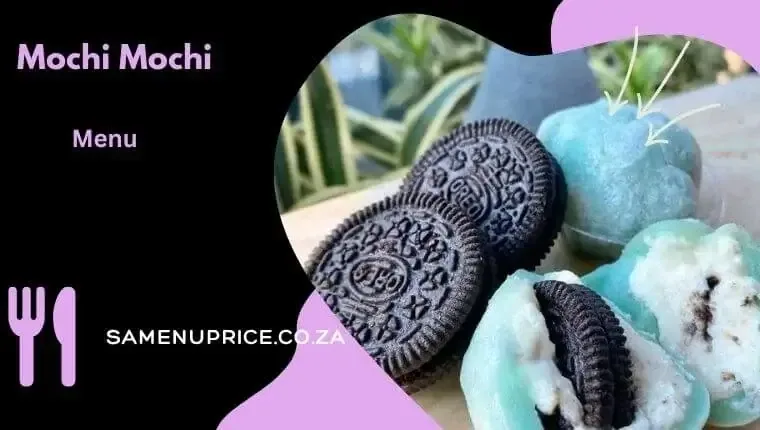
Near the end of trading, mochi truffles were listed at R20 each. Publicly listed flavours included Turkish delight, milk tart, salted caramel, lemon meringue, margarita, Pink Nesquik, red bean, black sesame, matcha, cookies and cream, and roasted rice.
The selection mixed recognisable Japanese flavours with South African references. Red bean and matcha are established pairings with rice sweets. Black sesame gives a deep, nutty flavour, while roasted rice brings a toasted note. Milk tart and Pink Nesquik connect the format to local nostalgia.
A “truffle” here described the small filled sweet format, not necessarily a chocolate truffle or the savoury fungus. The outer rice layer supplied chew, while the centre and coating changed by flavour. Anyone ordering before closure needed to ask about dairy, nuts, alcohol and colourings because flavour names did not list every ingredient.
The R20 figure was a final historical example. Earlier versions of the menu listed mochi truffles at R15, which is why old price pages disagree. The later venue page is the better record of the closing period. Neither price is current after closure.
Matcha soft serve
Matcha soft serve was R45 near closure. Three toppings added R25. Listed toppings included chocolate cookie crumbs, seasonal fruit, cocoa nibs, cornflakes, mochi pieces, wafer pieces, white chocolate chips, sprinkles, fudge pieces and red bean paste.
Matcha is finely ground green tea and contains caffeine. Its grassy, gently bitter flavour balances sweet dairy soft serve. Toppings could push the cup towards fruit, crunch, chocolate or extra chew. Three toppings were enough to change the dessert substantially.
Soft serve is sensitive to temperature. It was a product to eat at the café or soon after collection, rather than carry across the city. Since the café has closed, the price and combination should be treated as a record of the final menu, not a product still available at that address.
Archived savoury milk bread menu
Older menu editions included Cheesy Pan at R35, Chilli Cheesy Pan at R40, Baked Egg Pan at R45, Kewpie Mayo Egg Pan at R45 and Cream Cheese Bagel Pan at R40. These prices pre-date closure and later revisions.
“Pan” is the Japanese word used for bread. Cheesy Pan was the straightforward cheese option, while the chilli version added heat. Egg breads offered a more filling breakfast or lunch snack. Kewpie-style mayonnaise is richer and tangier than many ordinary mayonnaise products because of its yolk-led recipe.
Croque Monsieur Pan was historically R55. It interpreted the French toasted ham-and-cheese sandwich through the café’s milk bread. Customers with pork or halaal requirements needed to check the exact filling; the name alone was not enough.
Wagyu Nikuman and Chicken Kare Pan were listed at R65 in an older menu. Nikuman is a steamed bun filled with meat, while kare pan is Japanese curry bread, often crumbed or fried. The Wagyu name referred to the beef filling rather than a steak portion.
Okonomiyaki Beef Dog and Spicy Beef Dog were R60, with Trout Dog at R65. Okonomiyaki-inspired toppings draw from the savoury Japanese pancake, often using sauce, mayonnaise and seaweed notes. Trout gave the bread menu a fish option. These dishes show how the café moved beyond desserts.
Archived sweet milk bread
Mochi Anpan and Chocolate Anpan were R35 on the archived menu. Anpan is a soft bun traditionally filled with sweet red bean paste. Mochi Anpan added chewy rice texture, while the chocolate version used a more familiar sweet filling.
Miso Sticky Pan and Melon Pan were also R35. Miso can bring salt and fermented depth to caramel-like sweetness. Melon Pan is named for the melon-like appearance of its crisp patterned crust; it does not always contain melon flavour.
Baked French Toast was R50. Milk bread works well for French toast because its soft crumb absorbs custard while keeping structure. It was a larger sweet bread choice compared with a single small bun.
These prices belong to an earlier menu, and products may have changed before the final day. They remain useful for understanding the range, but not for reconstructing the exact closing menu or placing an order.
Other archived sweets
Earlier menus listed mochi ice cream at R45, mitarashi dango at R50, Japanese cheesecake at R50 and a daifuku doughnut at R45. Dango and daifuku are both rice-based, but they are not the same product.
Mitarashi dango consists of chewy rice dumplings, usually served on a skewer with a sweet soy glaze. Daifuku wraps a filling in soft mochi. A daifuku doughnut combines the café’s playful approach with a fried or baked dough format. Japanese cheesecake is known for a lighter, airier structure than dense New York-style cheesecake.
S’mochi, chocolate-chip mochi cookies and birthday-cake cookies were listed around R25 in one archived edition. S’mochi combined the idea of s’mores with mochi. A mochi cookie adds chewy rice-based texture to a familiar cookie rather than simply placing a whole traditional mochi inside.
Rice-based does not mean free from every allergen. Cookies and cakes can contain wheat, egg, milk, soy, nuts or sesame. The production environment matters as much as the headline ingredient.
Japanese tea archive
The café’s older tea list included house tea around R25, sencha, hojicha, bancha and genmaicha around R35, and gyokuro or matcha around R45. These were unusually useful choices for a small dessert café because they let customers compare several Japanese tea styles.
Sencha is a common steamed green tea with fresh vegetal notes. Bancha is generally made from later-harvest leaves and can taste gentler. Hojicha is roasted, producing a toasted aroma and typically less sharp greenness.
Genmaicha combines green tea with roasted rice. The rice gives a warm, nutty smell and makes it a natural partner for lightly sweet food. Gyokuro is shade-grown and more concentrated, with savoury umami character. Matcha is powdered tea whisked into water, so the drink includes the leaf rather than only an infusion.
All true green teas contain caffeine, though the amount varies with leaf, preparation and serving. Hojicha is often lower in caffeine but should not be promised as caffeine free. Herbal tea is a different category.
Coffee, milky drinks and cold drinks
An older menu listed hot or iced coffee at R30, with oat milk adding R10. This was a deliberately short coffee section. The shop’s stronger identity remained tea, matcha and Japanese-inspired sweets.
Milky drinks included hot chocolate at R45, matcha latte at R40, coffee-jelly latte at R35, bubble tea at R45 and canned iced coffee around R35. Coffee jelly creates soft cubes with coffee flavour inside a milk drink. Bubble tea uses chewy or bursting additions depending on the recipe.
Cold options included matcha lemonade around R40, ginger beer, cream soda and kombucha around R50, bursting-bubble iced tea around R45, and water or canned soft drinks at lower prices. Fermented kombucha can contain small trace amounts of alcohol as a result of fermentation even when sold as a soft drink; consumers with a strict requirement should check the product label.
Was Mochi Mochi halaal?
Historical venue descriptions called it halaal-friendly rather than halaal-certified. One listing stated that the production kitchen did not use alcohol, pork or gelatine at that time. That wording should not be converted into a certification claim.
The café is now closed, so there is no current menu or production practice to verify. The distinction remains useful for the archive: “halaal-friendly” describes an approach, while formal certification has its own oversight and documentation.
Some flavour names, such as margarita, can raise questions about alcohol. A name can refer to citrus and salt rather than the alcoholic cocktail, but only the producer could confirm the recipe used in a particular batch. Historical general statements cannot answer every item-level question.
Gluten and allergen questions
Glutinous rice is naturally gluten free, despite its confusing name. Finished mochi can still contain gluten through biscuits, cookie crumbs, cakes, flavourings or shared equipment. Milk, egg, soy, sesame and nuts appeared across the wider menu.
Black sesame and nut-flavoured toppings are obvious allergen concerns. Less obvious sources include Kewpie mayonnaise, bread, chocolate, miso and sauces. The old café’s allergen process cannot be used to judge a different business today.
If buying mochi elsewhere, ask that producer about the exact flavour and kitchen. Do not show this archived Mochi Mochi page as evidence that another shop’s product is safe.
What customers can look for now
Readers searching for a replacement should first decide what they miss: fresh daifuku, Japanese bread, matcha soft serve, tea, or the playful local flavours. Few cafés specialise in all of these at once. Searching by the exact product gives better results than searching only for “Japanese café”.
For mochi, ask whether it is made fresh or sold frozen and whether the price is per piece or box. For matcha, ask whether the drink uses pure matcha or a sweetened premix. For milk bread, ask when the next bake is available.
Check recent opening information before travelling. A search result can retain a closed business for months. Look for a current booking page, recent menu, active phone response or recent business update. Do not assume that a similarly named “mochi” shop is connected to Mochi Mochi by Torii.
How to understand historical prices
The old R15 mochi-truffle figure and final R20 figure describe different menu periods. That is a 33 percent increase, but it does not reveal the reason. Ingredient, labour, packaging and rent may all contribute. Portion or recipe changes can also make a direct comparison incomplete.
A historical menu should preserve its date and status. Removing the date makes an old price look like a current offer. This article therefore labels prices as older or final examples and leads with the closure.
The same rule applies to replacement recommendations. A current shop’s R30 mochi may be larger, differently filled or sold in another location. Compare piece size, filling and production, not only the number.
The café’s place in Cape Town
Mochi Mochi helped make handmade Japanese-style sweets more visible in central Cape Town. Its menu translated unfamiliar names through approachable formats: milk-tart mochi, local sweet flavours, soft buns and matcha desserts.
The former shop at 71 Buitengracht Street gave visitors a dedicated place to try several tea and rice-sweet styles together. It also showed that a narrow specialist concept could support savoury bread, drinks and seasonal creativity without turning into a general Asian restaurant.
The closure announcement thanked regular customers and people who contributed to the café’s visual community. That confirms the end of the physical café, while explaining why people still search for its menu.
Questions readers still ask
Can I visit Mochi Mochi in Cape Town?
No. The Buitengracht Street café closed on 18 April 2026. Old opening hours should be ignored.
Can I phone to place a pre-order?
No current café ordering service is represented by this archived page. A former telephone number may be reassigned or inactive and is not published here as an order line.
Are mochi truffles still R20?
No active product is available from the closed café. R20 records the final public example. Another maker sets its own price.
Was every item gluten free?
No. Mochi’s rice base can be gluten free, but breads, cookies, toppings and shared production introduce other ingredients and cross-contact questions.
Will Mochi Mochi reopen?
The closure announcement confirmed the end of the café. This article has no verified reopening information. A future announcement would need fresh confirmation before the status changes.
Final archive note
A short guide to the Japanese menu terms
Mochi is a broad word for Japanese rice cake. Texture can range from very soft and stretchy to firmer and grilled. The café’s small filled “truffles” were its own product format, so they should not be treated as a complete definition of traditional mochi.
Daifuku usually means a soft mochi wrapper around a sweet filling. Red bean is traditional, while modern shops use fruit, cream, chocolate and many other centres. Fresh daifuku has a short ideal texture window because the rice wrapper firms as it dries.
Dango refers to small rice dumplings, often threaded onto a skewer. Mitarashi dango uses a glossy sweet soy glaze. It is chewy like mochi but made and served in a distinct way. A customer who liked Mochi Mochi’s truffles will not necessarily find dango to be the same dessert.
Anpan is a filled sweet bread associated with red bean paste. Melon pan is a bun covered by a crisp cookie layer and patterned like a melon. Kare pan is curry bread, often coated in crumbs and fried. These names describe formats rather than one fixed café recipe.
Nikuman is a steamed savoury bun. Shokupan is soft Japanese milk bread. Kewpie is a Japanese mayonnaise style with a rich yolk taste. Okonomiyaki is a savoury pancake associated with cabbage, sauce and mayonnaise; an okonomiyaki-inspired hot dog borrows those toppings rather than turning the bun into a pancake.
Matcha is powdered green tea whisked into a drink or mixed into food. Sencha is steeped leaf tea. Hojicha is roasted tea, while genmaicha combines tea and roasted rice. Knowing the difference helps a reader search for the specific experience they miss from the closed café.
How an archived restaurant page should be read
The date comes before the price. A price without a date looks current even when the business has closed. The final public Mochi Mochi examples are therefore tied to the period before 18 April 2026, and earlier items are described as older menu entries.
The address is historical too. It tells readers which Cape Town café this page covers, but it is not an invitation to visit the premises. Another business at that address would have its own identity, menu and operating hours.
Photographs can outlive both a dish and a venue. A social image of a mochi flavour does not prove that the item was part of the final range. Seasonal availability and daily production meant that not every archived flavour was available at every visit.
Closure also changes the meaning of contact information. A former telephone number or email may stop working or later belong to someone else. This guide does not publish the old details as a route for orders. Any future project using the same brand name would require fresh identity and ownership verification.
Choosing mochi from another producer
Ask when the mochi was made and how it should be stored. Refrigeration can firm the rice layer, while heat can soften cream fillings. Follow the maker’s guidance instead of applying storage instructions from a different café.
Check whether the price is per piece, per flavour box or per assorted box. A lower unit price may require a larger order. Confirm the number of pieces, filling and approximate size before comparing two businesses.
For gifts, ask about the use-by period and transport. Fresh cream or ice-cream mochi needs stricter temperature control than shelf-stable packaged sweets. Keep allergen labels with the box when sharing it with other people.
Most of all, allow another maker to have its own style. Mochi Mochi’s milk-tart and Pink Nesquik flavours belonged to its particular Cape Town identity. A replacement can satisfy the desire for a fresh rice sweet without copying the same menu or price.
Mochi Mochi is permanently closed, so this is no longer a live price guide. It is an archive of a Cape Town café that served mochi truffles, soft serve, Japanese milk bread, tea and creative sweets until April 2026.
Keeping the existing page and slug prevents readers from landing on a confusing error while protecting the site’s historical URL structure. The closure message appears first, old prices are labelled, and former hours are not presented as current.
If you are looking for mochi today, search for an active Cape Town producer and confirm its current address, menu, allergens and prices directly. Do not travel to the former Mochi Mochi address expecting the café described in the archived menu.