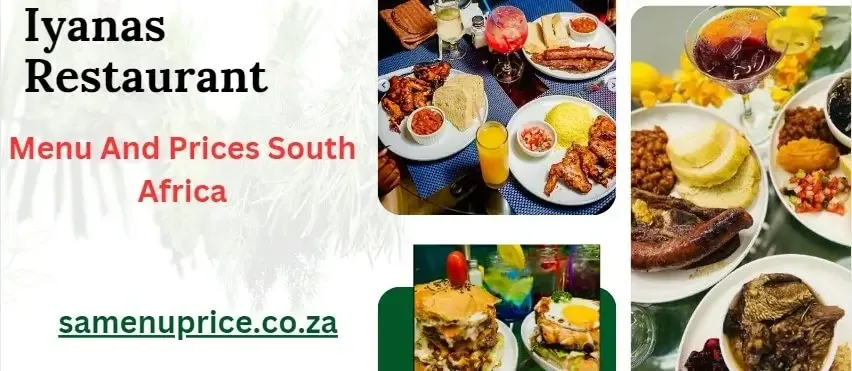
Iyanas Restaurant is known for hearty South African meals, breakfast plates, curries, oxtail, shisa nyama, sides and platters. Diners can use the menu below to compare individual plates, extras and sharing options before they visit.
The most repeated public figures include English Breakfast around R70, Muesli around R65, Chicken Curry around R95, Beef Curry around R120, Oxtail around R150, Mini Shisa Nyama Platter around R300 and a platter for four around R700.
Quick price answer
Iyanas is easier to budget than a fine-dining menu because many dishes are built around clear traditional meals. Breakfast sits at the lower end, mains move higher, and platters are best judged by the number of people sharing. Extras such as starch and sides can change the final plate price, so include them before comparing dishes.
For a simple meal, choose one main and one starch. For a group, the platter price can make sense when everyone wants meat and traditional sides. The best value depends on appetite, not only the lowest price on the table.
Current menu price snapshot
| Menu area | Reviewed prices | Best use |
|---|---|---|
| Breakfast | English Breakfast about R70; Muesli about R65 | Lowest-cost morning order |
| Mains | Chicken Curry about R95; Beef Curry about R120; Oxtail about R150 | Best for one complete meal |
| Traditional plates | Usu and Inhloko appear around R80 in public references | Good for local favourites |
| Sides and extras | Jeqe, shatini and salads are lower-cost add-ons | Use to complete a plate |
| Platters | Mini platter about R300; platter for four about R700 | Best for sharing |
Iyanas menu and prices
The tables below cover breakfast, mains, sides, extras and platters. Confirm current availability and the final price before ordering.
| Items | Prices |
|---|---|
| English Breakfast | R 70 |
| Muesli | R 65 |
| Items | Prices |
|---|---|
| Shisa Nyama (Mini Platter) | R 300 |
| Shisa Nyama Platter (For 4) | R 700 |
| Items | Prices |
|---|---|
| Chicken Curry | R 95 |
| Beef Curry | R 120 |
| Oxtail | R 150 |
| Usu | R 80 |
| Inhloko | R 80 |
| Shisa Nyama Plate | R 140 |
| 4 Wings | R 90 |
| Amanqina (Chicken Feet) | R 60 |
| Items | Prices |
|---|---|
| Jeqe | R 10 |
| Beetroot | R 10 |
| Butternut | R 10 |
| Coleslaw | R 15 |
| Potato Salad | R 15 |
| Mash | R 10 |
| Chakalaka | R 15 |
| Creamed Spinach | R 15 |
| Shatini | R 10 |
| Items | Prices |
|---|---|
| Chocolate Milkshake | R 60 |
| Strawberry Milkshake | R 60 |
| Vanilla Milkshake | R 60 |
| Bubblegum Milkshake | R 60 |
| Items | Prices |
|---|---|
| Cafe Mocha | R 42 |
| Dirty Chai | R 42 |
| Five Roses | R 77.59 |
| Rooibos | R 27.59 |
| Items | Prices |
|---|---|
| Corona Extra 335ml | R 40 |
| Castle Lager 330ml | R 91 |
| Castle Lite 330ml | R 25 |
| Heineken 330ml | R 50 |
| Windhoek Draught 330ml | R 144 |
| Carling Black Label 330ml | R 3500 |
| Stella Artois 330ml | R 60 |
| Items | Prices |
|---|---|
| Savanna Dry 330ml | R 41 |
| Hunters Dry 330ml | R 90 |
| Bernini Amber 275ml | R 99 |
| Hunters Gold 330ml | R 99 |
| Brutal Fruit 275ml | R 30 |
| Chateau Del Rei | R 99 |
| Ice Tropez | R 100 |
| Bernini Blush 275 ml | R 90 |
| Bernini Classic 275 ml | R 2940 |
| Items | Prices |
|---|---|
| Smirnoff Vodka | R 22 |
| Ciroc Vodka | R 36 |
| Absolut Vodka | R 30 |
| Items | Prices |
|---|---|
| Jameson | R 39 |
| Jack Daniels | R 32 |
| Glenfiddich 12 years | R 60 |
| Grants | R 30 |
| Hennessy | R 44 |
| Martel | R 54 |
| Items | Prices |
|---|---|
| Pangalatic | R 80 |
| Cosmopolitan | R 70 |
| Margarita | R 75 |
| Blue Lagoon | R 75 |
| Strawberry Daiquiri | R 80 |
| Long Island | R 90 |
| Sex on the Beach | R 85 |
| Mojito | R 75 |
| Items | Prices |
|---|---|
| Orange Juice | R 28 |
| Coke, Sprite (300ml) | R 20 |
| Still water (500ml) | R 16 |
| Soda Water, Tonic Water | R 22 |
| Red Bull (250ml) | R 36 |
| Passion Fruit and Lemonade | R 30 |
| Appletiser | R 30 |
Breakfast prices and value
Breakfast is the simplest entry point on the Iyanas menu. English Breakfast gives a heartier plate, while muesli is lighter and usually suits someone who wants a quick morning option. The difference between these two choices is small enough that appetite should decide the order more than price alone.
If breakfast is part of a group visit, ask whether all breakfast items are available at the time you arrive. Some restaurants stop breakfast service after a certain hour or run out of specific items. A quick phone check can save a wasted trip, especially when the group is coming for one dish.
Mains and traditional meals
The main menu is where Iyanas becomes more filling. Chicken curry, beef curry and oxtail give different price levels and different levels of richness. Oxtail is usually the heavier, slower-cooked choice, while chicken curry can be the better everyday option when someone wants a full meal without moving to the highest price.
Traditional items such as usu and inhloko should be ordered by people who already enjoy those dishes or want a local meal. Ask how the plate is served, which starch is included and which sides come standard. A dish can look cheaper until extra starch or salad is added separately.
Starch and side choices
Starch choices matter because they change how filling the plate feels. Pap, rice, jeqe, uphuthu, sqwaqane and creamed samp do not serve the same purpose for every dish. A curry may work better with rice or jeqe, while grilled meat may feel more natural with pap and relish.
Sides such as shatini, butternut, potato salad, beetroot, coleslaw, chakalaka and creamed spinach add flavour and balance. They are not only small extras; they can decide whether a meal feels complete. Pick one or two that suit the main instead of adding every side automatically.
Shisa nyama and platters
Shisa nyama is best judged by portion and sharing. A single plate suits one hungry diner, while a platter makes sense when several people want to eat together. The mini platter is useful for a smaller group or a table that wants meat with other dishes. The larger platter needs enough people to finish it properly.
When ordering a platter, ask what is included today. Meat selection, sides, sauces and portion sizes can change. A platter can be strong value when shared fairly, but it can feel expensive if half the table only eats a small amount. Agree on the order before it reaches the table.
Ordering for one person
One person should start with the main they actually want, then add the starch and side that make it complete. Chicken curry with rice, beef curry with jeqe or a traditional plate with pap can all work depending on appetite. Avoid adding a platter-style order unless leftovers are planned.
If price is the main concern, breakfast and simpler mains are easier to control. Oxtail and platters are better for a fuller meal. Drinks, takeaway packaging and delivery fees should be counted separately because they can make a modest plate cost more than expected.
Ordering for family or friends
For a small group, mix one or two curry plates with grilled or traditional items so everyone has variety. For a larger group, a platter can become the centre of the meal, but only if the included items match the group. Add sides that most people will eat rather than buying several small sides that duplicate each other.
If children are part of the order, ask about spice level, bones and portion size. Some traditional dishes may not suit every child, while rice, pap and mild curry may be easier. Cut food into safe pieces and let hot dishes cool before serving younger diners.
Delivery and collection checks
Delivery prices can differ from restaurant prices. A third-party app may show a higher item amount and then add service and delivery fees. Collection may be cheaper, but only if the travel cost and time make sense. Compare the same basket before choosing the channel.
For collection, confirm preparation time and the exact address. Traditional meals can cool during travel, so keep the trip short and reheat safely if needed. For delivery, check the order as soon as it arrives and report missing sides quickly.
Keeping the menu useful
Budget and branch notes
A useful budget starts with the main dish, then adds the side, drink and tip or service charge. Many diners compare only the headline meal price and forget that the final card amount can be much higher. When a menu offers premium proteins, sauces or add-ons, choose those deliberately instead of accepting every suggested extra.
For one person, a single main and water is the cleanest comparison. For two people, sharing one starter and ordering two mains usually gives better value than ordering several small extras. For a group, decide whether everyone wants individual plates or whether sharing items will avoid waste. Shared orders work best when the table agrees on spice level and dietary needs before the order is placed.
Treat the branch as the first part of the price. A restaurant name alone is not enough, because South African venues often run separate dine-in, collection and delivery menus. A dish that looks simple on one platform can include different sides, a different portion or a different service fee somewhere else. The safest way to use this guide is to pick the exact branch, then compare the same item on the same day.
Delivery apps can also lift the visible price before they add delivery, service and small-order fees. That does not always mean the restaurant counter price has changed. It means the channel has its own cost. If you are ordering for a family or group, build the whole basket before deciding. A small difference on one dish becomes a larger difference when five or six items are added.
Dietary and allergy notes
For allergens, ask the restaurant directly. A price article can list menu categories, but it cannot confirm the kitchen process on the day you order. Wheat, dairy, egg, nuts, seafood, soy and sesame can appear in bread, sauces, batters, dressings and desserts. Shared grills and fryers may also matter for strict dietary needs.
Vegetarian and vegan choices should be confirmed by ingredient, not only by title. Cheese, butter, cream, stock, egg wash and honey can appear in dishes that sound plant-based. Halaal, kosher and other preparation requirements also need branch confirmation because ownership, suppliers and kitchen handling can change.
Traditional South African dishes may include bones, offal, strong seasoning or shared preparation areas. Ask direct questions if any diner has a dietary limit. A familiar dish name does not always tell the full ingredient list.
SEO update note
How to read the price table properly
Read the table from left to right and keep the item name attached to its own price. Many menu mistakes happen when a reader scans quickly and joins one row with the next row. If a table has sizes, flavours or add-ons, the base price should not be treated as the final price until those choices are complete.
When a menu has several similar items, compare what is actually included. A cheaper dish may be smaller, may exclude a side or may use a simpler protein. A higher price can sometimes be better value if it includes chips, salad, sauce or a larger portion. The table gives the starting point; the notes help explain the real order.
If a price appears old, unclear or different from the checkout, the live branch price should win. Restaurants change menus for supply costs, rent, delivery commissions and seasonal stock. A useful price article should make that clear instead of pretending every figure will stay the same forever.
What changed in this update
The goal is not to make the page complicated. The goal is to give enough plain English detail that a person can make a better order. That means clear sections, direct advice, visible menu information and no unnecessary filler around the table.
Common ordering mistakes
The first mistake is comparing one item price with another item that includes more food. A burger with a side and a burger without a side are not the same budget. The second mistake is ignoring drinks. Soft drinks, coffee, shakes or bottled water can add a noticeable amount when several people are eating.
The third mistake is ordering too many extras because they look small. Sauces, sides, add-ons and desserts can turn an average meal into a premium bill. Choose extras that improve the meal. Skip extras that only repeat what is already on the plate.
The fourth mistake is forgetting the channel. Dine-in, collection and delivery can show different totals. Delivery can be convenient, but it may include higher menu prices plus extra fees. Collection can save money, but only when travel time and fuel make sense.
How to plan a fair group order
For a group, decide whether the bill will be split evenly or paid by item before ordering. This is especially useful when some people order premium dishes and others choose simple meals. A clear agreement keeps the meal relaxed and avoids confusion when the bill arrives.
Shared starters and sides should be ordered only when most of the table wants them. If two people want a shared item and the rest do not, it should not quietly become a group cost. The same applies to desserts, bottled water and table drinks.
For family orders, match the quantity to appetite. It is easy to over-order when reading a full menu. Start with the mains, then add one or two sides if needed. More food can usually be ordered later, while wasted food cannot be turned back into money.
Freshness and final confirmation
Use the review date as a freshness signal. A newer review is more useful than an old screenshot, but even a current review can become outdated if the restaurant changes suppliers, launches a new special or updates delivery pricing. That is why final confirmation still matters.
The most reliable confirmation is the restaurant's current menu, the live delivery basket or a direct quote from the branch. If the article and the checkout disagree, the checkout is the number that will be charged. Screenshots, cached pages and older blog posts are helpful for planning, not for arguing at the till.
For special occasions, confirm more than the food price. Ask about deposits, service charges, cake policy, seating time, parking, wheelchair access and group rules if those details matter. A good meal plan includes the whole visit, not only the menu line.
Simple order examples
A low-spend order should stay focused. Pick one main item, use the included side if there is one, and choose tap water or a simple drink where available. This kind of order is useful for lunch breaks, solo meals and quick visits where the goal is to eat well without turning the meal into a long occasion.
A balanced order adds one useful extra. That could be a side for a main that needs it, one starter shared by two people or one dessert shared after the meal. This approach gives the visit a little more variety while keeping the final amount easy to understand.
A premium order is different. It may include seafood, steak, a loaded main, a premium drink, dessert or several shared plates. There is nothing wrong with that choice, but it should be made deliberately. Once the order becomes premium, compare the full bill rather than judging each item alone.
For takeaway, choose food that travels well. Crispy items, delicate salads, plated sauces and hot drinks can lose quality during delivery. If freshness matters more than convenience, collection or dine-in may be better. If convenience matters most, accept that the best delivery item may not be the same as the best dine-in item.
Final checklist before ordering
Before ordering, check five things: the branch, the date, the item size, the included sides and the final basket total. These five checks catch most price surprises. They also help readers compare restaurants fairly because the same type of meal is being compared against the same type of meal.
If the order is for a group, save the confirmed menu or checkout screen until the meal is collected or delivered. This makes it easier to solve a missing item, wrong side or unexpected substitution. For dine-in, read the bill before paying and ask questions while staff can still check the order.
When a page is updated again, the same rule should apply: keep the useful menu rows, correct the prices that can be verified and explain any branch limits in plain language. That gives search visitors a better page and gives regular readers a price guide they can actually use.
The strongest version of a menu article is practical, current and calm. It should help someone decide what to order, what to confirm and how much money to keep aside before they reach the counter, table or checkout screen.
Frequently asked questions
What is the cheapest Iyanas breakfast?
Public menu references show muesli around R65 and English Breakfast around R70. Confirm the current branch price before ordering.
How much is Iyanas oxtail?
Recent public references list oxtail around R150, but availability and price should be confirmed on the day.
Are Iyanas platters good value?
They can be good value for a group that wants the included meat and sides. For one or two people, individual meals may be easier to manage.
Do Iyanas delivery prices match the restaurant?
Not always. Delivery platforms may use different prices and add fees, so check the final basket total.
Iyanas is easiest to order from when the reader treats the menu as a full meal plan: main, starch, side, drink and sharing choice. Check the branch menu for the latest combination and price.
More menu images