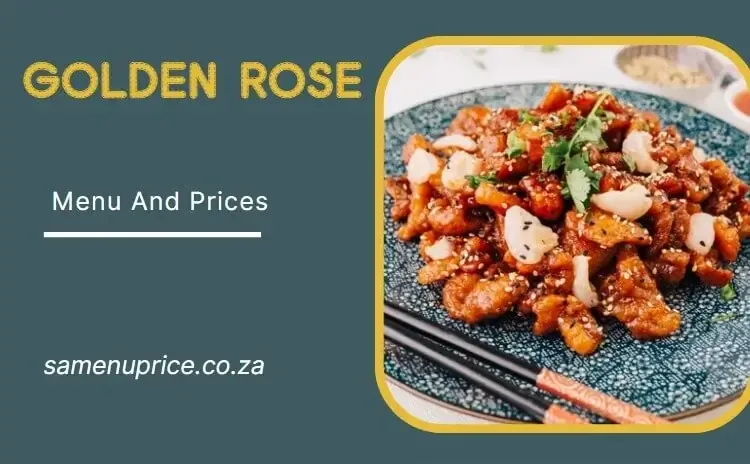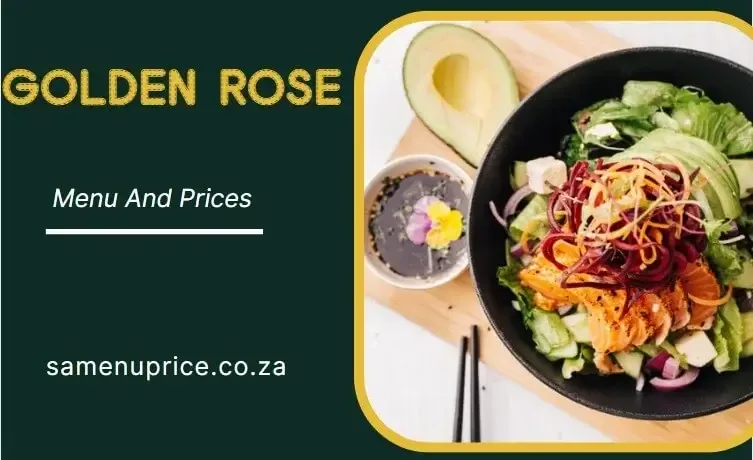
Golden Rose combines sushi with Chinese and broader Asian dishes such as dim sum, soup, noodles, fried rice, ramen, duck, pork, beef and seafood. This guide uses Golden Rose Sandton as its reference branch and reflects prices reviewed on 28 September 2026.
Golden Rose also operates other Johannesburg-area branches. Their menus are similar, but availability, specials and platform prices can differ. Select the correct branch before comparing a price, especially when ordering through a delivery app.
Golden Rose price overview
| Section | Current reference price |
|---|---|
| Classic maki base | From R28 |
| California roll base | From R43 |
| Fashion sandwich base | From R44 |
| Hand roll base | From R39 |
| Nigiri base | From R41 |
| Bamboo hand roll base | From R66 |
| Burger sushi | From R78 |
| Dim sum | About R52-R93 |
| Soup | About R39-R78 |
| Udon | About R153 |
| Ramen | About R169 |
The sushi figures above are category starting prices shown by the Sandton ordering menu. The final price can change after selecting the filling, piece count or preparation. Delivery platforms can also add a markup and fees, so use the checkout total for the final comparison.
How the online sushi pricing works
The ordering page first shows a base price for a sushi style. Maki begins at R28, California rolls at R43 and fashion sandwiches at R44. A customer then chooses a protein or vegetable filling, and the final price may differ from the category card.
This structure matters because “California Roll R43” does not mean every salmon, tuna, prawn or speciality version costs exactly R43. It means the section starts there. Piece counts also affect the amount of food, so compare the final selected option rather than only the first number.
Cucumber wraps start at R60, nigiri at R41, bamboo hand rolls at R66 and single hand rolls at R39. Burger sushi is shown from R78 for one piece. These formats use different quantities of rice, fish and toppings and should not be compared by item count alone.
Classic sushi choices
Maki is a compact roll with rice and a filling wrapped in seaweed. It is usually a useful lower-priced choice for one person or for adding simple pieces to a mixed order. Vegetable maki can cost less than salmon, tuna, prawn or eel.
California rolls commonly place rice outside the seaweed and can include avocado, cucumber, seafood, chicken or sauces. Fashion sandwiches use layered rice and fillings in a triangular or square format. Their larger build can make fewer pieces feel more substantial.
Nigiri places a slice of fish or seafood over rice. Sashimi, where available, is fish without rice. Because the amount and type of protein differ, sashimi and nigiri can cost more per piece than maki.
Hand rolls are cone-shaped and intended to be eaten soon after preparation. Leaving them in a closed delivery box can soften the seaweed. For takeaway, collect close to mealtime and keep raw fish cold.
Deluxe and speciality sushi
The menu includes a “Tickle Your Fancy” section with decorated and sauced rolls, plus deluxe choices and sushi cakes. These items can use seared fish, tempura, cream cheese, avocado, spicy mayonnaise, teriyaki sauce or crunchy toppings.
Speciality rolls are useful for sharing because they provide stronger flavours than basic maki. They may also contain more allergens. Ask about shellfish, sesame, egg-based mayonnaise, dairy, soy and gluten before ordering.
Descriptions and names can vary slightly between the restaurant ordering system and delivery platforms. Match the ingredients rather than relying only on a creative roll name. A branch can replace an unavailable topping or remove a seasonal item.
Sushi combos and platters
Golden Rose promotes sushi combos as a way to try several styles in one order. A platter may combine maki, California rolls, roses, sandwiches, nigiri or speciality pieces. The best choice depends on whether the table wants raw salmon and tuna, cooked seafood or vegetables.
Piece count is helpful but incomplete. A large platter of simple maki can cost less than a smaller platter containing sashimi and decorated rolls. Ask for the current composition, because numbered platter names do not explain the contents by themselves.
For two people, a twelve-piece combo can work as a light shared meal or one part of a larger order. A group should divide the piece count by the number of diners, then add dim sum or noodles only if the expected portion is too small.
Monday, Tuesday, Wednesday and Thursday offers appear in the online menu, including percentage discounts, selected platter deals and a menu for two. These offers can have branch, day, collection, dine-in or item restrictions. Confirm the terms before building a budget around them.
Current dim sum prices
| Dim sum | Recent listed price |
|---|---|
| Custard buns, three | About R52 |
| Cha shao bao, three | About R57 |
| Boiled dumplings, six | About R61 |
| Pan-fried dumplings, six | About R65 |
| Shrimp dumplings, three | About R71 |
| Spinach and cream cheese, three | About R71 |
| Chicken, ginger and chive, three | About R78 |
| Siu mai, four | About R78 |
| Boiled dumplings, twelve | About R90 |
| Pan-fried dumplings, twelve | About R93 |
Other three-piece fillings include prawn with edamame and cream cheese, smoked salmon with cream cheese and chilli, beef potstickers, and cream cheese with butternut. Recent delivery listings place them around R71 to R78.
Twelve boiled dumplings cost less per piece than six on the referenced listing. Six at R61 equal about R10.17 each, while twelve at R90 equal R7.50 each. The larger order saves money only when the table wants that quantity.
Steamed or boiled dim sum usually travels better than crisp fried food, but condensation can soften potstickers. Request sauces separately when possible. Cream cheese fillings contain dairy, and dumpling wrappers normally contain wheat.
Soup prices
| Soup | Recent listed price |
|---|---|
| Vegetable soup | About R39 |
| Chicken noodle soup | About R45 |
| Chicken sweet-corn soup | About R45 |
| Hot-and-sour soup | About R45 |
| Wonton soup | About R52 |
| Chicken tom yum | About R67 |
| Prawn or seafood tom yum | About R78 |
Soup works as a starter or lighter meal, but noodles and dumplings affect how filling it is. Tom yum is hot and sour and can be spicy. Diners sensitive to chilli should ask whether the heat can be adjusted.
Clear-looking broth can still contain meat, fish sauce, soy or gluten. Vegetable soup should be checked for stock ingredients, while wonton wrappers generally contain wheat. Seafood soup requires care for fish and shellfish allergies.
Udon, ramen, chow mein and fried rice
Recent Sandton delivery listings show beef, chicken, seafood and pork udon at about R153. Udon can be prepared in soup or stir-fried. The thick wheat noodles contain gluten unless the restaurant offers a specific alternative.
Seafood ramen is listed around R169. Ramen uses a slow-cooked Chinese-style broth with braised meat or seafood and marinated egg. Rice noodles may be available as a gluten-free option, but changing the noodle does not guarantee that the broth or soy-based seasoning is gluten free.
Chow mein uses fried noodles, while chow faan is fried rice. Both sections offer different proteins. A chicken version is generally less expensive than seafood or duck, and adding extras can alter the checkout price.
For delivery, soup noodles can continue absorbing broth. Eat them promptly or ask whether broth can be packed separately. Fried rice and noodles should remain hot and should not sit at room temperature for an extended period.
Chicken, duck, pork and beef dishes
The Chinese menu separates major proteins, which helps diners compare sauce styles. Common preparations may include sweet and sour, chilli, black pepper, cashew, oyster sauce, teriyaki or garlic. Exact choices vary by branch.
Duck and beef dishes often sit above basic chicken dishes in price. A lower item price may describe a smaller portion, lunch special or dish without rice. Check whether steamed rice is included or needs to be ordered separately.
Pork appears in cha shao bao and other meals. Diners avoiding pork should ask about broth, dumpling fillings and mixed platters, not only obvious pork dishes. Halal requirements should be confirmed with the branch directly.
Cashews, peanuts, sesame and soy are common in Asian cooking. Tell the server the exact allergy because removing visible nuts does not remove nut-based sauce or shared-wok exposure.
Seafood and vegetarian options
Seafood choices cover sushi, prawns, squid, fish, noodle dishes, soup and chef specials. Prices depend heavily on the protein and portion. Delivery apps may display higher totals for seafood because their item markup applies before service fees.
Vegetarian diners can look at vegetable sushi, spinach or butternut dim sum, vegetable soup, tofu, vegetable noodles and fried rice. Cream cheese and egg appear in several meat-free dishes, so vegetarian does not always mean vegan.
Ask whether vegetable dishes use chicken stock, fish sauce or oyster sauce. A restaurant may be able to change the sauce, but a strict allergy or vegan requirement also needs discussion of shared woks and utensils.
Lunch and weekday specials
The Sandton ordering menu advertises a lunch special at R104, a Wednesday menu for two at R225, a Monday platter promotion, a Tuesday offer and a Thursday discount on selected speciality sushi.
Specials should never be treated as permanent menu prices. They can apply only at certain times, branches or ordering methods. They may exclude public holidays, delivery, premium fillings and substitutions.
Before ordering, confirm the qualifying items and final price. A half-price label may refer to a defined platter rather than every sushi item. A menu for two may have fixed choices and cannot always accommodate swaps.
Restaurant price versus delivery price
Delivery listings are useful for checking current availability, but they can show prices above the restaurant’s direct ordering menu. Platform service, delivery, priority and small-order fees appear later in checkout.
Compare identical items, piece counts and fillings. A sushi category starting price on the direct menu cannot be compared fairly with a fully selected premium roll on an app. Add every mandatory option before deciding which channel is cheaper.
Collection can reduce fees, but fuel and travel time matter. Confirm the collection branch and estimated preparation time. Golden Rose names can appear under Sandton, Florida Junction, Lonehill, Rock Cottage, Fourways and other areas.
Budget examples for one diner
A light order of vegetable soup at about R39 and six boiled dumplings around R61 totals roughly R100. Chicken noodle soup plus a smaller dim sum portion usually lands around R100 to R125.
Udon at about R153 can function as a full meal. Adding three cha shao bao at about R57 produces a R210 subtotal before drinks and platform fees. Seafood ramen plus shrimp dumplings is about R240.
A sushi budget depends on final fillings. Starting with maki and one California selection keeps the order lower than choosing several deluxe rolls. Review the cart after selecting the protein because base cards do not show every final amount.
Budget examples for two or more diners
Two diners can share twelve boiled dumplings at about R90 and order two udon dishes around R153 each. Their food subtotal is approximately R396, or R198 each.
A mixed dinner might combine dim sum, one noodle dish, one Chinese protein dish and a sushi combo. Order the combo first according to piece count, then add hot food according to appetite. This avoids duplicate rice and excessive leftovers.
For four people, choose one large platter, two hot mains and one vegetable dish. Ask for serving spoons and identify raw, cooked and vegetarian pieces. Calculate platform fees after all items are in the cart because percentage charges increase with the subtotal.
Raw fish and allergen safety
Raw salmon and tuna need reliable cold handling. Eat sushi promptly and do not leave it in a warm car. Pregnant diners and people with higher medical risk should follow professional guidance about raw seafood.
Common allergens include fish, shellfish, soy, sesame, egg, milk, wheat, peanuts and tree nuts. Soy sauce often contains wheat. Cream cheese appears in dim sum and sushi, and mayonnaise can contain egg.
Tell staff the allergy and severity. Ask about shared knives, sushi mats, fryers, steamers and woks. Vegetable sushi prepared on the same station as prawns or salmon can be exposed to seafood.
How to check an order before leaving
Count sushi pieces and dim sum portions, then compare the proteins with the receipt. Check sauces, rice and paid extras. Creative roll names can look similar after packing, so labels are useful for a group order.
Keep hot dishes separate from cold sushi. Open fried-food containers briefly if safe to release steam and protect texture. Refrigerate leftovers promptly, although raw sushi is best eaten fresh.
If an item is missing or unsafe, photograph the order and contact the branch or platform promptly. Keep the receipt because branch and order numbers help resolve the issue.
How to choose between sushi and hot food
Sushi suits diners who want several small flavours and are comfortable sharing. Hot noodles, ramen and Chinese mains give a more predictable individual portion. A first-time customer can combine one simple sushi choice with one hot dish instead of ordering several unfamiliar speciality rolls.
For one person, udon or ramen can serve as the centre of the meal. Three dim sum pieces or a basic roll can be added if appetite requires it. Ordering a full noodle bowl, twelve dumplings and a large platter will usually be excessive for one diner.
For two people, one noodle or rice dish, one protein dish and a small sushi combination create variety. Keep sauces separate when possible so crisp sushi toppings and fried items do not soften before serving.
Raw sushi should be ordered only for diners who want it. Cooked choices can include prawn, fried chicken, tofu, vegetables or seared fillings, but “seared” may still leave fish raw in the centre. Ask how each item is prepared.
Understanding pieces, portions and base prices
An online category card may show the cheapest available option rather than the item shown in its photograph. After opening the card, read the required choices. Protein, quantity, preparation and extras can all affect the total.
Compare sushi using the final number of pieces. Four pieces at R43 and eight pieces at R70 represent different value from a single large burger-sushi piece at R78. Size, fish quantity and toppings also matter, so price per piece is only a rough guide.
Dim sum has the same issue. Three stuffed pieces cannot be compared directly with twelve plain dumplings. The smaller portion may use prawns, salmon or cream cheese, while the larger order can use a simpler filling.
When the menu does not state a count, ask before ordering. This is particularly useful for speciality sushi, spring rolls and chef specials. Clear portion information helps a group avoid ordering too little or too much.
Planning a vegetarian order
A vegetarian meal might start with vegetable soup, continue with spinach-and-cream-cheese or butternut dim sum, and add avocado maki or a tofu dish. This provides hot and cold textures without relying only on rice.
Vegan requirements need more checking. Cream cheese and egg appear in several meat-free dishes. Some noodles contain egg, some sushi sauces contain mayonnaise, and vegetable stir-fries may use oyster sauce or animal stock.
Ask for ingredients before requesting a modification. Removing cream cheese from one roll may be easy, while changing a prepared dumpling filling may be impossible. Tofu cooked in a shared wok may still have cross-contact with meat or shellfish.
A strict vegetarian group should identify each container after delivery. Vegetable and seafood rolls can look similar, particularly when sauces and toppings cover the filling.
Ordering for children and cautious eaters
Simple rice, noodles, mild chicken, vegetable rolls and selected dumplings may suit diners who avoid strong spice. Ask for chilli oil and spicy sauce separately. “Sweet and sour” or “teriyaki” can still contain garlic, ginger and soy.
Parents should check fish bones, shellfish, nuts, sesame and raw ingredients. Whole dumplings can be hot inside after steaming, so allow them to cool before a child eats them. Cut unfamiliar food into manageable pieces.
A child who dislikes raw fish may prefer avocado maki, cooked chicken sushi or a hot noodle dish. Confirm that a roll marked prawn uses cooked prawn, because preparation differs between products.
Group ordering without duplicate food
Assign one person to review the final cart. Large groups often add the same rice, sauces or platters twice when several people order independently. Count total sushi pieces and estimate how many each diner will receive.
A sensible four-person structure is one platter, one twelve-piece dim sum order, two hot protein dishes and one vegetable or noodle dish. Add more only when the group knows the portions or has unusually large appetites.
Separate raw sushi, vegetarian food and allergy-aware dishes on the table. Use different serving utensils where possible. If a severe allergy is present, shared family-style ordering may not be suitable even when one dish appears safe.
Before confirming delivery, check the address, branch and estimated arrival. A long journey reduces the quality of fried food and creates more risk for raw fish. Collection may be preferable for a large sushi order.
Quality checks for sushi delivery
Cold sushi should arrive cool, neatly packed and without a strong unpleasant odour. Rice naturally firms as it chills, but it should not appear dried out. Raw fish should not spend extended time at room temperature.
Check that soy sauce, ginger, wasabi and chopsticks match the order. These extras may be optional on an app, so select them deliberately rather than assuming they are automatic.
Do not reheat raw sushi. Cooked noodle and rice dishes can be reheated safely when stored promptly, but follow standard food-safety guidance and avoid repeated reheating. When in doubt about temperature or freshness, do not eat the item.
Why branch scope matters
Golden Rose listings appear for Sandton and several suburban branches. A promotion visible for one location may not appear after changing the delivery address. Stock, trading hours and minimum order values can also differ.
This guide uses Sandton for its reference prices so the figures come from one coherent scope. It does not combine the cheapest number from one branch with a premium item from another. Customers should repeat the comparison for their selected location.
If a search result opens a branch outside the delivery radius, the platform may silently switch locations after an address is entered. Recheck the store name at the top of the cart before paying.
Frequently asked questions
Which Golden Rose branch does this guide cover?
It uses Golden Rose Sandton as the reference. Other branches may have different prices, stock and specials.
How much is Golden Rose sushi?
Current Sandton category cards start at R28 for maki, R43 for California rolls and R44 for fashion sandwiches. Final fillings and quantities change the price.
How much is dim sum?
Recent listings place smaller portions around R52 to R78, six dumplings around R61 to R65, and twelve around R90 to R93.
Does Golden Rose have vegetarian food?
Yes. Vegetable sushi, vegetable soup, tofu and selected dim sum, noodle and rice dishes are available. Confirm sauces and shared preparation.
Are weekday specials guaranteed?
No. Confirm the branch, day, time, qualifying items and ordering method before relying on a promotion.
When were prices reviewed?
They were reviewed on 28 September 2026 using the current Sandton ordering menu and recent delivery listings.
Final ordering advice
Select the correct branch first. For sushi, complete every filling and piece-count choice before comparing prices. For hot food, check whether rice or another side is included.
Confirm specials directly, keep raw food cold and explain allergies before ordering. Review item prices and all delivery fees at checkout so the final total matches the budget.
More menu images