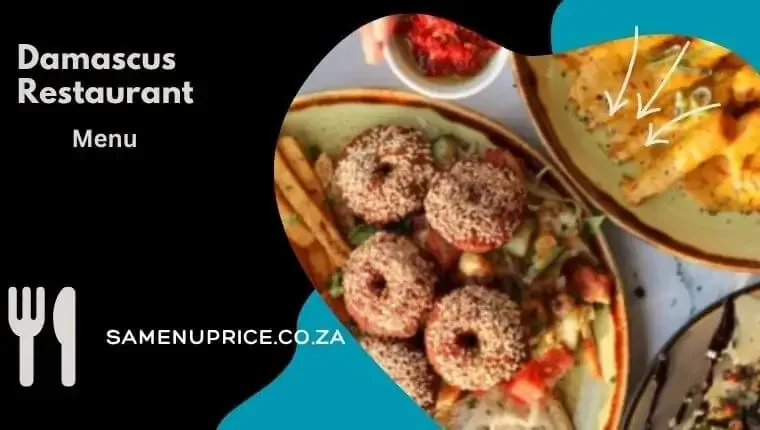
Damascus Restaurant brought Syrian and Middle Eastern food to Sea Point, Cape Town, but its operating status has changed. The restaurant announced that it would close at the end of May 2026. A current daily menu, active reservation system and confirmed new permanent location could not be verified when this guide was reviewed on 29 September 2026.
The prices below are historical records from the restaurant's later menu period. They help readers understand old search results, photographs and reviews, but they are not current offers. Do not travel to the former Main Road address or make a payment using an old contact without first confirming a new dated announcement.
Damascus Restaurant current status
| Question | Answer |
|---|---|
| Is the Sea Point restaurant currently confirmed open? | No. Closure was announced for the end of May 2026. |
| Is the old menu current? | No. Prices are historical only. |
| Was it a Syrian restaurant? | Yes, with Syrian and broader Middle Eastern dishes. |
| Can old directory hours be trusted? | No. Confirm any new location directly. |
| Are old booking details reliable? | Not without a recent dated confirmation. |
Search engines can keep a restaurant website, map pin and menu images visible after closure. Review platforms may also show “open” hours based on an older schedule. These pages document the former business; they do not prove that the kitchen is operating now.
If the Damascus name returns through a pop-up, catering service or new venue, that offer will need its own menu and prices. The host, date and service format can change every practical detail. Use a current announcement as the starting point.
Historical menu price overview
| Former menu section | Historical range |
|---|---|
| Breakfast | R95-R140 |
| Man'oosh | R95-R130 |
| Hot mezze | R95-R160 |
| Soup | R70-R105 |
| Salad | R95-R120 |
| Main Syrian dishes | R140-R295 |
| Shawarma plates | R110-R130 |
| Charcoal grills | R150-R1,040 |
| Steak | About R300 |
| Dessert | From about R120 |
These ranges describe the old Sea Point restaurant near its final operating period. They should not be adjusted for inflation and presented as a new menu. A future operator could use different portions, suppliers and premises.
Historical breakfast prices
| Breakfast item | Historical price |
|---|---|
| Shakshuka | R120 |
| Middle Eastern Breakfast | R140 |
| Omelette | R95 |
| Egg, Mushroom and Spinach | R125 |
| Eggs and Sausage | R140 |
| Jasmine Pancake | R95 |
| Breakfast Crepe | R110 |
| Granola | R95 |
Shakshuka used eggs poached in tomato, pepper, onion and garlic sauce and came with Syrian flatbread. The Middle Eastern Breakfast combined falafel, hummus, mutabbal, olives, labneh and zaatar. It offered the widest traditional breakfast selection.
The omelette and egg dishes provided familiar alternatives. Jasmine Pancake was savoury rather than sweet, while the breakfast crepe used sausage, egg and cheese. Old prices do not confirm present availability anywhere else.
Historical man'oosh menu
| Man'oosh | Historical price |
|---|---|
| Cheese | R105 |
| Cheese Zaatar | R95 |
| Cheese Muhamara | R115 |
| Labneh with Honey | R95 |
| Labneh Zaatar | R120 |
| Sujuk with Cheese | R105 |
| Four Seasons | R130 |
Man'oosh is a flatbread-based dish that can carry cheese, herbs, labneh, vegetables or meat. Cheese Zaatar was the lowest listed example, while Four Seasons used several vegetables on a thicker base.
Labneh with Honey mixed tangy dairy and sweetness. Sujuk with Cheese added sausage and was not vegetarian. Diners with dairy, sesame or wheat allergies needed ingredient confirmation even when a dish carried a vegetarian mark.
Historical hot mezze prices
| Hot mezze | Historical price |
|---|---|
| Kibbeh, fried or grilled | R95 |
| Sticky Buffalo Wings | R110 |
| Chicken Batata Harra | R130 |
| Chicken Potato Provencal | R130 |
| Falafel Balls | R140 |
| Mutabbal Batarsh | R160 |
Mezze was suited to sharing. Kibbeh combined meat, bulgur and spices, while falafel offered a meat-free chickpea option with dips and salad. Mutabbal Batarsh placed braised meat over an aubergine dip.
A group could order several smaller dishes to explore different flavours. That approach also required checking bread and sauce portions, since extra flatbread or dips could be charged separately.
Historical soup prices
| Soup | Historical price |
|---|---|
| Syrian Lentil | R70 |
| Moroccan Harira | R85 |
| Haleem | R85 |
| Seafood | R105 |
| Herb Bread with Cheese | R60 |
Syrian Lentil was the simplest vegetarian soup. Harira contained tomato, lentils, chickpeas, lamb and herbs. Haleem used grains, lentils, meat and spices, creating a much thicker bowl.
The seafood soup combined calamari, hake, prawn and mussels and carried the highest historical price. It also involved several allergens, making direct kitchen confirmation essential for sensitive diners.
Historical salads
| Salad | Historical price |
|---|---|
| Fattoush | R95 |
| Tabbouleh | R95 |
| Falafel Salad | R110 |
| Chicken Jungle Salad | R120 |
Fattoush combined vegetables, herbs and pita chips. Tabbouleh focused on parsley, bulgur, cucumber and tomato. Both offered fresh, acidic flavours beside rich grilled meat.
Falafel Salad added hummus and yoghurt tahini dressing, while Chicken Jungle Salad used grilled chicken, greens and pecans. Vegetarian did not automatically mean vegan because yoghurt dressing could contain dairy.
Historical Syrian main dishes
| Main dish | Historical price |
|---|---|
| Chicken Skewer Kebab and Rice | R140 |
| Lamb Skewer Kebab and Rice | R155 |
| Sheesh Bil-fakharah | R160 |
| Creamy Kousa Bil-Laban | R170 |
| Aleppo Kebab | R170 |
| Chicken Mandi | R175 |
| Rice Lamb Kabsa | R180 |
| Kofta Spicy | R185 |
| Magloobeh | R195 |
| Creamy Prawns | R275 |
| Lamb Shank | R295 |
Chicken Mandi was one of the restaurant's recognisable dishes, pairing half a grilled chicken with smoked spiced rice, almonds, sultanas, salad and sauces. Lamb Kabsa offered a related rice format with lamb.
Magloobeh combined rice, aubergine and mutton. Kousa Bil-Laban used stuffed zucchini in yoghurt sauce. Creamy prawns and lamb shank sat at the premium end because of their ingredients and preparation time.
Historical shawarma prices
| Shawarma plate | Historical price |
|---|---|
| Falafel | R110 |
| Chicken | R120 |
| Beef | R130 |
| Chicken Skewer Kebab | R130 |
| Lamb Skewer Kebab | R130 |
| Extra hummus or garlic sauce | R20 |
Falafel was the meat-free choice and came with hummus and vegetables. Chicken used garlic sauce, while beef included tahini-style accompaniments, onions, tomato and parsley.
The plate description mattered because a shawarma wrap, plated serving and skewer kebab are different products. An old price copied without its format can mislead even before closure is considered.
Historical charcoal grill prices
| Grill | Historical price |
|---|---|
| Grilled Chicken Wings | R150 |
| Chicken Skewer Kebab | R150 |
| Sheesh Tawook | R175 |
| Grilled Deboned Thighs | R175 |
| Lamb Skewer Kebab | R195 |
| Chicken Mixed Platter for One | R190 |
| Mixed Platter for One | R260 |
| Lamb Chops | R275 |
| Shaqaf | R280 |
| Mixed Platter for Four | R1,040 |
The mixed platter for four combined lamb chops, beef cubes, chicken and kebabs with dips. At R1,040 historically, it worked out to R260 per person before drinks or extras.
Chicken platters provided a lower-cost introduction to several marinades. Lamb chops and shaqaf were premium grills. Portions, garnish and sauces belonged to the former restaurant and should not be assumed for any future event.
Historical steak and dessert prices
Beef fillet medallions were listed near R300, with buffalo, mushroom or pepper sauce. An extra sauce was around R45. Creamy chicken with mushroom sauce appeared near R170.
Crepes began around R120, while a Damascus Crepe with syrup, tahini and sesame was about R130. Dessert availability could vary, and ice cream or whipped cream might be part of the serving.
Why the old menu must be labelled
A restaurant menu is an offer tied to a place and operating date. Once the venue closes, its numbers become historical evidence rather than prices a customer can claim. Leaving out the closure can waste a reader's journey and damage trust.
The same principle applies if the chef or brand opens elsewhere. New rent, suppliers, staff and portion decisions create a new price structure. Old dishes may inspire the new menu without keeping the same price.
How to verify a possible return
- Look for a recent announcement with a date and full address.
- Confirm that reservations open through the named venue.
- Ask whether the offer is permanent, a pop-up or catering.
- Request the current menu and dietary information.
- Verify payment details before sending a deposit.
A new social post is more useful than an old directory, but it still needs complete details. Check that comments and booking links relate to the same event date.
Never send money using an account found in an archived post. Contact the active organiser through a current public channel and keep written confirmation.
Using old reviews correctly
Reviews can explain the former atmosphere, portion style and popular dishes. They cannot confirm present opening hours. Always read the date and recognise that a 2024 dining experience describes the old Sea Point operation.
Recent reviews posted after closure may be delayed memories or assigned to the wrong listing. A live menu, fresh booking confirmation and staffed phone line provide stronger evidence than review timestamps.
Dietary and allergen lessons from the historical menu
The menu used wheat, sesame, nuts, dairy, eggs, meat and seafood. Flatbread, bulgur, tahini, yoghurt sauces and nut garnishes appeared frequently. Cross-contact was possible in a shared kitchen.
If the concept returns, ask again from the beginning. Recipes and suppliers can change, and an older vegetarian mark does not establish vegan or allergen-safe preparation at a future venue.
Frequently asked questions
Is Damascus Restaurant Cape Town open?
The Sea Point restaurant announced closure at the end of May 2026, and no new permanent location was verified by 29 September 2026.
Are these prices current?
No. Every amount on this page is clearly preserved as a historical price from the former restaurant.
Where was it located?
It operated on Main Road in Sea Point, Cape Town. Do not travel there based only on an old map listing.
What food did it serve?
It served Syrian and Middle Eastern breakfast, mezze, soup, salad, rice dishes, shawarma, charcoal grills, steak and desserts.
Was vegetarian food available?
Yes. Historical choices included falafel, hummus, mutabbal, salads and several man'oosh dishes.
Was the restaurant Halaal?
Historic coverage described it as a Halaal venue. Any future operation would require fresh confirmation for its exact location and suppliers.
How much was Chicken Mandi?
A later historical menu listed it at about R175. That is not a current quote.
How much was the mixed grill for four?
The historical price was about R1,040, before drinks and extras.
Can I still make a reservation?
No current reservation route for the closed Sea Point restaurant could be verified. Do not rely on an old booking widget.
Will the restaurant reopen?
No confirmed permanent reopening was found during this review. Follow only new dated announcements.
Final guidance
How the former menu was designed for sharing
The old menu worked well for a table because it moved from bread and mezze to rice dishes and charcoal grills. A group could begin with hummus, mutabbal, kibbeh and salad, then choose one or two larger mains. This format allowed everyone to taste several Syrian flavours without ordering a separate starter and main for each person.
Sharing also required sensible portion planning. Dips needed enough flatbread, while a mixed grill needed salads or rice if it served as the centre of the meal. Four people ordering the R1,040 historical platter would still have needed to check whether its accompaniments were enough. Drinks and dessert sat outside that headline amount.
Understanding the former rice dishes
Mandi, kabsa and magloobeh are distinct dishes rather than interchangeable names for rice and meat. Mandi pairs gently smoked, seasoned rice with meat and sauces. Kabsa uses aromatic rice and spices with meat. Magloobeh is traditionally built and turned out so that the layered ingredients form the finished presentation.
The former menu paired these dishes with chicken, lamb or mutton and added salad, yoghurt sauce or a tomato-based condiment. Nuts and sultanas appeared in some rice dishes. Anyone with a nut or dairy allergy needed to examine the entire plate, not only the named protein.
Understanding the former dips
Hummus uses chickpeas and tahini, while mutabbal centres on roasted aubergine with tahini and other seasoning. Baba ganoush recipes can differ in texture and ingredients. Labneh is strained yoghurt with a tangy, creamy character. Garlic sauce brings a sharper flavour and was commonly paired with chicken.
These dishes often look simple, but sesame and dairy are major allergens. Bread introduces wheat, and garnishes can include nuts. If a similar restaurant recreates an old Damascus dish, its recipe must be checked directly because the same name does not guarantee identical ingredients.
How to budget for a Syrian-style meal elsewhere
Do not take the former prices and add a percentage. Start with the current restaurant's menu. Decide how many mezze plates the group needs, add bread, choose a main or grill per person and include drinks. A shared-meal budget should also allow for service and any booking deposit.
For four diners, two or three cold mezze, two hot mezze and two large mains may provide enough variety, depending on portion sizes. Ask the active restaurant whether platters are intended as a full meal or only protein. This avoids ordering too much food or discovering that important sides are missing.
Planning for vegetarian diners
The historical Damascus menu had several vegetarian options, including shakshuka, cheese man'oosh, lentil soup, falafel, hummus, mutabbal, fattoush and tabbouleh. A vegetarian diner could build a varied meal rather than relying on one salad. However, cheese, labneh, yoghurt dressing and eggs meant that many items were not vegan.
A future restaurant may cook falafel in a fryer shared with meat or seafood. Ask about stock in soups, garnish on rice and dairy in sauces. A vegetable dish name answers only part of the dietary question. Strict diners need preparation details from the current kitchen.
Planning for meat lovers
The former grill included chicken wings, sheesh tawook, deboned thighs, lamb kebab, beef shaqaf and lamb chops. A mixed platter allowed diners to compare several marinades and cuts. Rice-based lamb dishes offered softer, slow-cooked meat, while charcoal grills focused on smoke and direct heat.
When ordering similar food elsewhere, compare edible portions. Chops contain bones, while cubed fillet and deboned chicken do not. A plate with a higher weight can provide less meat after bones are removed. Included dips and bread also affect how filling the meal feels.
Planning for children
For children, mild chicken, rice, flatbread and hummus can be easier starting points than spicy kofta or strongly seasoned lamb. Ask for sauces separately and confirm whether skewers are removed before serving. Check grilled chicken and chops carefully for small bones.
Portions from an adult Middle Eastern menu can be large. Sharing one main and a side between younger children may reduce waste. Allergens deserve special attention because sesame, dairy, wheat and nuts appear across dips, bread, rice garnishes and desserts.
What “Halaal” confirmation should include
Historical reviews described Damascus as a Halaal restaurant, which was important to many guests. That status belonged to the operating venue and its suppliers at the time. If the brand reappears, customers should confirm the new address, certification or assurance, meat suppliers and alcohol policy.
A copied old logo or review is not enough for a new business. Ask the current operator directly and, where relevant, check the named certifying body. The answer can also clarify whether every item and preparation area falls under the same status.
Recognising stale web information
A stale listing often shows reviews from years ago, an unchanged menu photograph and opening hours without recent owner updates. The telephone may ring unanswered, or the booking widget may accept a request without confirming a table. Map labels can lag behind a closure announcement.
Use several signals together. Look for posts from the current month, recent customer photographs, a working reservation confirmation and a location that acknowledges the business. If those signals conflict, call the property or wait for a clear public update before travelling.
Avoiding payment and booking problems
Old restaurant pages may expose email addresses, phone numbers and bank details that are no longer controlled by the same people. Never transfer a deposit simply because the account appeared in an earlier post. Match the payee with the current event or venue and request written booking terms.
The terms should state the date, number of guests, included food, cancellation policy and remaining balance. A pop-up meal may require prepayment because seats are limited, but urgency should not replace verification. Keep receipts and the organiser's current contact information.
Why archived menus remain useful
An archived menu preserves part of Cape Town's restaurant history. It records how Damascus presented Syrian breakfast, mezze, rice dishes and charcoal grills to local diners. It can help former guests remember a dish and help food writers describe the restaurant accurately.
Its value depends on the historical label. When old numbers are presented as live prices, the archive becomes misleading. Clear dates let readers appreciate the record while understanding that no purchase is available at those amounts now.
What to expect if a new location is announced
A new venue would normally publish its address, opening date, trading hours and reservation method. It may begin with a smaller menu while the kitchen settles. Signature dishes such as Chicken Mandi or Sheesh Tawook could return, but their recipes, portions and prices may change.
Wait for the new menu before planning a group meal. Confirm parking, accessibility, prayer facilities, children's arrangements and dietary requirements with the active location. Those practical details cannot be inherited from the former Sea Point restaurant.
Quick checks before visiting any reported Damascus location
Begin with the date of the announcement. A post that looks new can be an old memory reshared without context. Confirm that it names a complete street address, opening date and operating hours. Search the address separately to see whether the property itself recognises the restaurant. Then contact the booking channel and ask for direct confirmation for your intended date.
Request the current menu when food choice or price matters. Compare its branding, contact information and address with the announcement. If the menu is only an undated image, ask when it took effect. A useful current menu should explain service charges, booking deposits and items subject to availability.
For a group, confirm the number of seats, arrival time and cancellation terms in writing. Ask whether children are welcome, whether the premises are accessible and where guests can park. A new site may have completely different facilities from the former Sea Point space. These questions prevent the old venue's reputation from creating false assumptions.
On the day, check for a last-minute message before leaving. Pop-ups and reopening events can change times or entry arrangements. Keep the confirmation and payment receipt available. If the address, organiser or payment recipient does not match, pause and verify rather than relying on urgency.
Damascus Restaurant created a distinctive Syrian dining experience in Cape Town, and its old menu remains useful as a record. The Sea Point restaurant is no longer a verified current dining option, so the historical amounts cannot guide a live order.
If the name returns, verify the new address, operating format, menu, prices and certification. Until then, use this page to understand the former offer and avoid outdated listings.
The review date matters because restaurant information changes quickly. Readers should repeat these checks whenever a fresh announcement appears and use the newly published terms as the final authority.