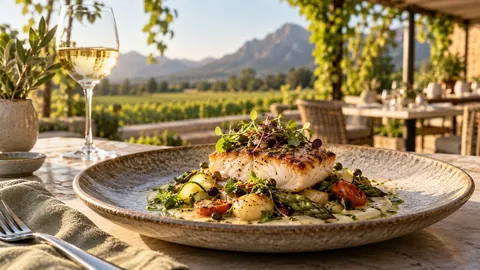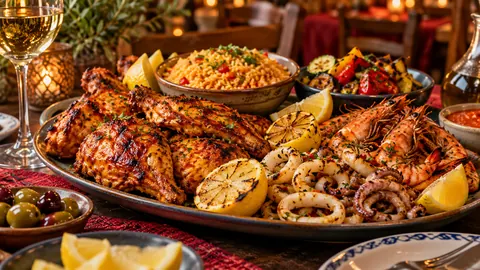

Cavalli Estate stands as one of South Africa’s premier wine and dining destinations. Renowned for its dramatic mountain views, acclaimed wines, sophisticated restaurant, and tranquil atmosphere, Cavalli Estate attracts discerning local and international guests seeking an exceptional culinary experience.
Cavalli Estate Menu
The restaurant at Cavalli Estate is widely recognized for its contemporary menu and artistic food presentation. The chefs focus on seasonal ingredients, fresh produce, and locally sourced products to create dishes filled with natural flavor and elegance.
The menu changes regularly to match seasonal availability, allowing guests to enjoy fresh and innovative meals throughout the year.
Starters
| Items | Prices |
|---|---|
| Oysters, fynbos mignonette | R 40 |
| Butternut, langoustine, smoked fishbone velouté, thyme | R 185 |
| Raw fish, lemon kosho, bright lights | R 175 |
| Baby marrow, avocado, pistachio, sea vegetables | R 155 |
| Mussels, eggplant, umami hollandaise | R 165 |
| Raw beef, cured egg, manchego, potato | R 165 |
Mains
| Items | Prices |
|---|---|
| Pork, gooseberries, radicchio, lemon balm | R 275 |
| Springbok, sourfig, mushroom, “kruipvygie” | R 330 |
| Sustainable fish, laksa, brussel sprouts, peanut | R 295 |
| New potato, celeriac, roots, brown butter | R 255 |
| Carrot risotto, caramelized miso, dukkha | R 235 |
Chef’s Set Menu
| Course | Items | Wine |
|---|---|---|
| Snacks | Rosette biscuit, herb bouquet, Bread & Butter | |
| First Course | Turnip, kohlrabi, pear, dill, flowers | Cavalli ‘Capriole’ Brut |
| 2nd Course | Butternut, langoustine, smoked fishbone veloute, thyme | Cavalli Chardonnay |
| 3rd Course | New potato, celeriac, roots, lardo, beurre noisette | Cavalli Shiraz |
| 4th Course | Springbok, sourfig, mushroom, “kruipvygie” | Cavalli ‘Warlord’ Bordeaux Blend |
| 5th Course | Sunflower seed pannacotta, dulce de lech, seaweed granita | Peter Falke “Leilani” Muscat d’Alexandrie |
Sides
| Items | Prices |
|---|---|
| Confit potato, mustard vinaigrette | R 65 |
| Melon & avocado crudo | R 65 |
| Eggplant, harissa, capers, yoghurt | R 65 |
| Garden leaves, herbs, broad beans, seeds | R 65 |
Vegetarian Chef’s Set Menu
| Course | Items | Wine |
|---|---|---|
| Snacks | Rosette biscuit, herb bouquet, Bread & Butter | |
| First Course | Turnip, kohlrabi, pear, dill, flowers | Cavalli ‘Capriole’ Brut |
| Second Course | Baby marrow, avocado, pistachio, sea vegetables | Cavalli Chardonnay |
| Third Course | New potato, celeriac, roots, beurre noisette | Cavalli Shiraz |
| Fourth Course | Carrot risotto, caramelized miso, dukkha | Cavalli Reserve White |
| Fifth Course | Sunflower seed pannacotta, dulce de leche, seaweed granita | Peter Falke “Leilani” Muscat d’Alexandrie |
Desserts
| Items | Prices |
|---|---|
| Strawberry, wakame, consommé veil | R 160 |
| Caramelized white chocolate, macadamia, black garlic | R 165 |
| Sunflower seed pannacotta, dulce de leche, umami granola | R 185 |
| Apple tart tatin, wild sage, “kurkbos” | R 165 |
| Selection of local cheese & house preserves | R 230 |
The Cavalli Estate menu and prices for 2026 reflect the estate's focus on seasonal food, local ingredients and an elegant Winelands dining experience. The six-course Chef's Set Menu remains the standout choice for a special meal, while the wine tastings, Flights & Bites and picnic options give visitors more affordable ways to experience the estate.
Since Cavalli's restaurant menu changes with the seasons, prices and individual dishes can also change. For the most accurate information, check the latest menu before visiting or contact Cavalli Estate directly.
Location & Contact No.
Contact No.
Updated price guide notes for Cavalli Estate Menu and Prices - A Luxury Dining and Wine Experience at South Africa
This section expands the existing Cavalli Estate Menu and Prices - A Luxury Dining and Wine Experience at South Africa menu guide without changing the permalink, post status or menu table. The table above should remain the main quick-reference area for readers. The notes below help visitors understand how to use those prices, what to confirm before paying and how to avoid common ordering mistakes.
Use the listed prices as a planning guide, then confirm the live branch, collection or delivery price before ordering. South African restaurant prices can change because of branch location, delivery platform fees, seasonal ingredients, supplier costs, specials and product availability. A clear price article should show the menu, but it should also explain that the final amount is the current checkout or bill.
How to use the Cavalli Estate Menu and Prices - A Luxury Dining and Wine Experience at South Africa menu
Start by choosing the type of meal you want. A quick lunch, a family takeaway, a breakfast visit and a full dinner do not need the same budget. Pick the main item first, then add only the sides, drinks and sauces that make the order complete. This keeps the price easy to understand and stops small extras from quietly lifting the total.
When the menu has sizes, flavours or add-ons, read each row carefully. A base price may not include the larger size, premium protein, extra cheese, sauce, side or drink. If the page shows a range, treat the lower figure as the simple version and the higher figure as the more complete or premium version. Do not compare a basic item with a fully loaded one as if they are the same meal.
If you are ordering from a delivery app, build the full basket before deciding. Delivery listings can show different item prices from the restaurant counter, and the platform can add service, delivery or small-order fees. Collection can be cheaper, but only when travel time and transport cost still make sense. The best value is the option with the best final total for your address and timing.
Best value approach
The best value order is usually the one that matches appetite without unnecessary extras. For one person, choose one main item and one drink only if needed. For two people, choose two different mains and share one side or starter if the portions are large enough. For a family, decide whether shared items or individual meals will reduce waste.
Do not judge value by the cheapest row alone. A cheaper item may be small, may exclude chips or may need paid extras. A slightly higher-priced item can be better value if it includes a side, a larger portion or a more filling protein. Look at the complete plate, not only the first number.
For group orders, agree on the budget before adding premium items. Shared starters, desserts, bottled drinks and extra sauces should be chosen deliberately. If one person wants a premium dish and another wants a simple meal, it may be fairer to split the bill by item instead of dividing everything equally.
Branch and delivery price checks
Branch checking matters because many restaurants do not run one exact national price for every channel. A shopping centre branch, a franchise branch, a delivery listing and a dine-in menu can all show differences. If a price is important, confirm the exact branch before travelling or placing a large order.
Delivery prices need a second check. The item price is only one part of the order. Add the delivery fee, service fee, tip, packaging charge and any small-order fee before comparing with collection. A special offer can still cost more than expected when the final basket is higher than the menu price.
For takeaway, choose items that travel well. Crispy foods, delicate salads, plated sauces and hot drinks can lose quality during delivery. If freshness matters more than convenience, collection or dine-in may be the better choice. If speed matters most, choose simpler items that are less likely to suffer during travel.
Ordering for one person
A single diner should keep the order simple. Choose the main item first and decide whether the included portion is enough. If the main already includes a side, adding another side may be unnecessary. If the main is small or snack-style, add one sensible side instead of building a much larger meal by accident.
Drinks can change the total more than expected. Water or a simple soft drink keeps the order controlled. Premium coffee, shakes, large bottled drinks or desserts should be treated as part of the meal budget, not as free extras. This is especially useful when comparing lunch options during a workday.
Ordering for two people
Two diners can usually get better variety by choosing different mains rather than ordering the same thing twice. If one dish is rich or spicy, pair it with something simpler. If both people want a side, check whether one shared side is enough. This keeps the table balanced and reduces leftover food.
Sharing one starter or dessert can be good value, but only when both people actually want it. Do not add a shared item just because it sounds small. Small extras are often the reason a simple meal becomes expensive. Decide before ordering whether the visit is a quick meal or a fuller sit-down experience.
Ordering for families and groups
For families, match the order to appetite and age. Children may not need full adult portions, and some dishes may be too spicy, rich or difficult to eat. Ask about portion sizes, bones, sauces and included sides before ordering for younger diners. A smaller meal that gets finished is usually better value than a large meal that is wasted.
For groups, keep the order easy to track. One person should check the final basket or bill against the actual order. Confirm large platters, shared sides, drinks and desserts before payment. If the restaurant adds a service charge for larger tables, include that in the budget from the beginning.
Allergy and dietary notes
Menu names do not always show every ingredient. Wheat, dairy, egg, nuts, seafood, soy, sesame and other allergens can appear in bread, sauces, batters, dressings, desserts and shared cooking areas. If an allergy is serious, ask the branch directly before ordering. This article can guide price planning, but it cannot confirm kitchen handling on the day.
Vegetarian, vegan, halaal and other dietary requirements should also be confirmed at branch level. Recipes, suppliers and preparation methods can change. A dish that sounds suitable may include butter, cheese, stock, egg wash, shared fryer use or a sauce with hidden ingredients. Direct confirmation is the safest step.
How this page stays useful
This update keeps the existing URL stable for SEO and user bookmarks. It also keeps the menu table visible because readers want to see prices quickly. The extra detail is here to answer the practical questions that usually come after the table: what can change, how to compare prices, what to order for different group sizes and when to confirm with the branch.
Future updates should follow the same pattern. Keep the permalink, keep the useful menu rows, correct outdated prices where they can be verified and explain the branch or delivery scope clearly. That gives readers a better guide without creating broken links or thin duplicate pages.
Final checklist before paying
Before paying, check the branch, date, item size, included sides, selected extras and final total. If those details are correct, the order is much less likely to surprise you. If anything looks different from the table, trust the current branch quote or checkout because that is the amount that will be charged.
Save the receipt or order confirmation until the meal is complete. It helps if an item is missing, a side is wrong or a delivery app needs a support request. For dine-in meals, check the bill while still at the table so the staff can correct any issue quickly.