What should a 10-month old baby eat? A balanced menu for a 10-month-old baby should include a combination of mothers milk or formula alongwith solid foods. At South Africa we can introduce small, manageable pieces of soft fruits or vegetables, opt for whole grain cereals or pasta, and consider incorporating yogurt or scrambled eggs into their diet at affordable budget.
10 Month Old Baby Food Menu Ideas
You must take pride in how well you have nurtured your 10 month old baby? Surely, you've witnessed their milestones like crawling, talking, and playing. As a responsible parent, it's natural to prioritize your child's health and nutritional needs. If you're seeking advice on what to feed your 10-month-old, we're here to help. Every infant progresses differently; some start solids as early as four months, while others begin around six months, continuing with mothers milk or formula. Understanding the ideal foods for a 10-month-old is crucial, as solid foods should now contribute to half of their daily calorie intake. Let's delve into the recommendations for your baby's diet.
10 Month Old Baby Food Lists
- 1 cup equals 8 ounces or 240 ml.
- ¾ cup equals 6 ounces or 180 ml.
- ½ cup equals 4 ounces or 120 ml.
- ¼ cup equals 2 ounces or 60 ml
You can Also Checkout KFC Breakfast Menu
10 Month Old Baby Food Chart
By the age of 10 months, mostly babies are ready to expand their palates beyond mothers milk or formula. While some may have started their solid food journey earlier, it's essential to introduce a variety of foods to ensure they receive adequate nutrition.
At this stage, the baby's diet should consist of a mix of mothers milk or formula and solids. Solid foods play a significant role in meeting their increasing energy and nutrient needs. It's essential to offer a balanced diet comprising carbohydrates, proteins, healthy fats, vitamins, and minerals.
When planning your 10 month old baby food recipes, consider incorporating a variety of foods to expose them to different tastes and textures. Here are some nutritious options to include:
- Fruits and Vegetables: Offer soft, cooked fruits and vegetables cut into small, manageable pieces. Favourites often include mashed bananas, steamed carrots, and diced avocado.
- Whole Grains: Introduce entire grain cereals, bread, or pasta to provide fibre and essential nutrients. Opt for options fortified with iron to support healthy growth and development.
- Proteins: Include sources of protein such as mashed beans, tofu, finely chopped poultry or fish, and scrambled eggs. These provide essential amino acids necessary for muscle and tissue development.
- Dairy: Incorporate dairy products like yoghurt or cheese into your baby's diet to meet their calcium and vitamin D requirements. Choose plain, unsweetened varieties to avoid added sugars.
Feeding Tips
Feeding a 10-month-old can be a messy yet rewarding experience. Here are some tips to make mealtime enjoyable for both you and your little one:
- Offer Finger Foods: Encourage self-feeding by offering bite-sized pieces of food that are easy for tiny fingers to grasp.
- Be Patient: Allow your baby to explore and play with their food. It's normal for them to be curious and take their time getting accustomed to new tastes and textures.
- Stay Hydrated: Offer water in a sippy cup throughout the day, especially during meals, to ensure your baby stays hydrated.
Food Safety
Ensure food safety by practising proper hygiene and preparation techniques. Wash fruits and vegetables thoroughly, cook meats and eggs thoroughly, and avoid offering foods that pose a choking hazard, such as whole grapes, nuts, and popcorn.
10 Month Old Baby Food Schedule
| Time | 10 Month Old Baby Food Schedule |
| 07:00 AM | Breakfast : Mother's feeding 4 to 6 ounces 2 to 4 ounces of cereal, or 1 egg mashed or scrambled |
| 09:00 AM | Morning Snack Time: Mother's feeding 8 ounces |
| 10:30 AM | Nap Time |
| 12:00 PM | Lunch Time : 2 to 4 ounces of cooked, pureed, or diced yellow or orange vegetables Mother's feeding 4 to 6 ounces |
| 02:00 PM | Nap Time |
| 03:30 PM | Snack Time : 1 whole grain cracker or teething biscuit 2 to 4 ounces yogurt 2 to 4 ounces minerl water |
| 05:00 PM | Dinner Time: 2 to 4 ounces of cooked green vegetables 2 to 4 ounces of cooked soft whole grain pasta or potato 2 to 4 ounces of diced or mashed fruit Mother's feeding 4 to 6 ounces |
| 06:30 PM | Before Bed TIme : Mother's feeding 6 to 8 ounces |
| 07:00 PM | Bed Time |
| 10:00 PM | Mother's feeding 6 to 8 ounces |
South Africa Menu for your 10-month-old came with an exciting opportunity to introduce them to the wonderful world of food. By offering a variety of healthy options and creating a positive mealtime environment, you're laying the foundation for a lifetime of healthy eating habits for your child. Enjoy this journey of exploration and discovery as you nourish your little one's growing body and mind.
Simple meal ideas for a ten month old
A ten month old is learning to eat with more confidence, so meals can be simple, soft and familiar. Breast milk or formula still remains important, while solid food gives your baby practice with flavour, texture and family mealtimes. Offer small portions and let your baby decide how much to eat. Some days appetite is strong and some days it is lighter. That change is normal. Sit your baby upright, stay close during the meal and allow plenty of time. A calm routine helps a child notice hunger and fullness without pressure.
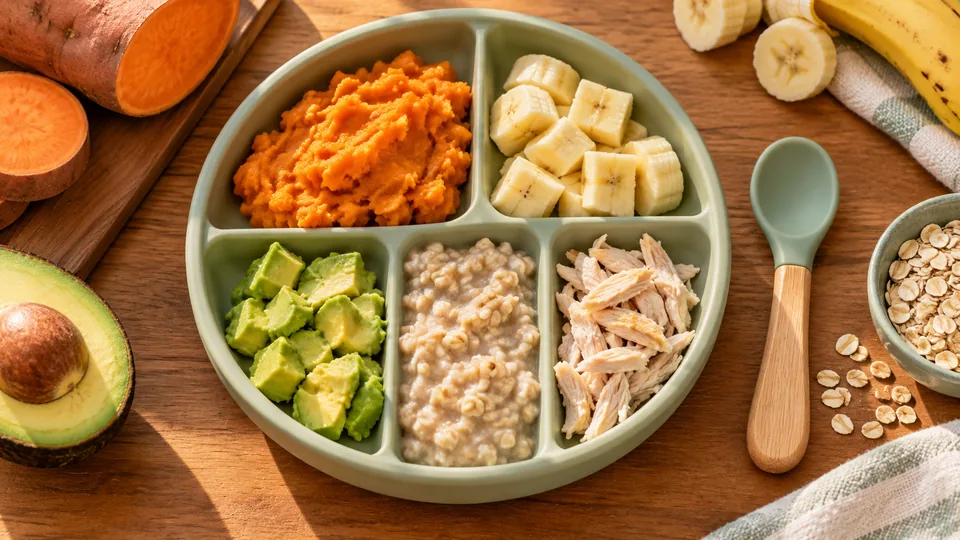
Breakfast can be soft oats cooked until smooth, mixed with mashed banana or pear. You can also offer plain full-fat yoghurt with ripe fruit, or strips of soft toast with mashed avocado. Lunch may include mashed beans, tender vegetables and a little rice, or shredded chicken with sweet potato. Dinner can be soft pasta with vegetable sauce, scrambled egg with spinach, or flaked fish with potato. Use fresh, familiar ingredients and introduce one new food at a time when practical so you can see how your baby responds.
South African ingredients that work well
Many everyday South African foods fit comfortably into a baby menu when prepared without added salt, sugar or strong chilli. Soft mielie meal porridge can be made thinner and enriched with mashed fruit or vegetables. Samp, beans, lentils, pumpkin, butternut, sweet potato and spinach provide useful variety. Avocado is easy to mash and offers energy from healthy fats. Ripe pawpaw, banana, peach and pear can be served soft. Chicken, eggs and boneless fish provide protein, while plain yoghurt adds calcium. Choose seasonal produce when possible because it is often softer, fresher and kinder to the household budget.
Texture matters as much as the ingredient. A smooth purée is not the only option at this age. Many babies can manage soft lumps, thick mash and finger-sized pieces that they can hold. Cook vegetables until they squash easily between your fingers. Remove bones, tough skin, seeds and hard rinds. Shred meat finely and flake fish carefully. Cut grapes, sausages and other round foods lengthways into very small pieces, and avoid giving hard raw vegetables or whole nuts. Always watch your baby while eating and follow guidance from your clinic or health professional.
Sample daily routine
| Time | Meal idea | Helpful note |
|---|---|---|
| Morning | Breast milk or formula, then soft oats with banana | Keep the porridge thick enough to scoop |
| Late morning | Soft pear or plain yoghurt | Offer water in a cup with the meal |
| Lunch | Sweet potato, beans and tender spinach | Mash or leave soft little lumps |
| Afternoon | Toast fingers with avocado | Use soft bread and supervise closely |
| Evening | Shredded chicken, rice and butternut | Keep portions small and moist |
This example is a guide rather than a strict timetable. Babies have different sleep patterns and milk needs. The aim is to offer regular chances to eat, usually three small meals with one or two snacks, alongside breast milk or formula. If your baby eats very little at one sitting, offer another opportunity later. Avoid turning the table into a test. Talking gently, eating together and showing enjoyment can make new foods feel safe.
Portion sizes and appetite
Start with one or two tablespoons and add more if your baby remains interested. A few bites may be enough on a busy day. As skills improve, portions may grow toward a small child-sized serving, but there is no perfect number. Look for signs of fullness such as turning away, closing the mouth or pushing food aside. Respect those signs. Encourage your baby to touch and smell food, but do not force a taste. Milk feeds can vary too, so keep the overall pattern flexible.
Use a small bowl and spoon so food does not look overwhelming. Sit at the table without screens and give your baby time to chew. Mess is part of learning. A washable mat under the high chair can make clean-up easier and lets your child explore textures safely. Keep a cup of clean water nearby. Sweet drinks, juice and sugary snacks are not needed. Honey should be avoided before twelve months, and cow's milk should not replace breast milk or formula as the main drink before the first birthday.
Budget-friendly preparation
Cooking once and serving in small portions can save both money and time. Make a pot of unsalted vegetables, a batch of beans or lentils, and a little rice, then combine them in different ways across the week. Freeze suitable portions in labelled containers and thaw them safely in the refrigerator. Do not re-freeze food that has already thawed, and discard leftovers from your baby's bowl because saliva can move into the food. Family meals can often be adapted before salt, stock powder or chilli is added.
Plan around foods that are easy to find in local shops and markets. Frozen vegetables can be useful when fresh produce is expensive, provided they have no added sauce. Eggs are versatile and quick to cook. Tinned beans can be rinsed well to reduce salt, then mashed. Peanut butter may be introduced in a thin, smooth form if your healthcare professional agrees, never as a sticky spoonful. Keeping a short list of reliable ingredients makes shopping easier and reduces the temptation to rely on packaged snacks.
Allergy awareness and safe introductions
Introduce new foods when your baby is well and you have time to observe. Offer a small amount and avoid introducing several new allergens on the same day. Common allergens include egg, dairy, wheat, peanut, tree nuts, fish and soya. Ask your clinic for advice if your baby has eczema, an existing allergy or a family history of allergy. Stop and seek urgent medical help if a food causes breathing difficulty, swelling of the lips or face, repeated vomiting or widespread hives. Mild redness around the mouth can have other causes, but it is still sensible to discuss any reaction with a professional.
Choking and gagging are different. Gagging can be noisy and is part of learning; choking may be silent and prevents breathing. Learn infant first aid and keep your baby seated upright. Never leave a baby alone with food, even for a moment. Avoid whole nuts, popcorn, hard sweets, raw carrot, chunks of apple, tough meat, whole grapes and spoonfuls of nut butter. Make food soft, narrow or finely chopped according to your baby's skill, and check the texture each time you serve it.
Making family meals work
Family food can be shared when the ingredients are suitable. Prepare a mild base of vegetables, grains and protein, remove the baby's portion, then season the adult servings. This approach saves cooking time and helps your child feel included. Let your baby watch you eat and offer a safe version of what is on your plate. Mealtimes are also a chance to practise holding a spoon, drinking from a cup and wiping hands. Progress may be slow, but repeated gentle exposure builds familiarity.
Keep the menu varied over several days instead of trying to include every nutrient in one plate. Rotate orange vegetables, green vegetables, beans, eggs, chicken, fish, fruit, grains and full-fat dairy. Iron-rich foods deserve regular attention, especially meat, beans, lentils, egg and iron-fortified cereals. Pairing plant foods with fruit or vegetables rich in vitamin C can support iron absorption. If you are worried about growth, feeding, constipation or iron, speak to a clinic nurse, dietitian or doctor who knows your baby's history.
Questions parents often ask
Can a ten month old eat family food?
Yes, many babies can share suitable family foods when the texture is soft and the portion has no added salt, sugar or strong spice. Remove bones and hard pieces, and mash or shred the food as needed.
How much water is needed?
Offer small sips of safe drinking water with meals, especially in warm weather. Breast milk or formula remains the main drink. Ask a health professional if you have concerns about hydration.
What if my baby refuses a food?
Stay relaxed and try again another day. A baby may need many calm exposures before accepting a flavour. Never force food or use dessert as a reward.
A calm approach to feeding
The best ten month old baby food menu is one that is safe, varied and realistic for your household. Keep milk feeds, offer soft family foods, watch your baby's signals and make changes gradually. A simple plate of porridge, fruit, vegetables, beans, egg, chicken or fish can provide plenty of learning and nourishment without expensive products. Your baby does not need a perfect menu every day. Consistent care, patient practice and advice from your local health team matter more than a complicated recipe list.
Practical shopping list
A short shopping list can keep this menu affordable. Choose one or two soft fruits, two vegetables, a grain, a protein and a plain dairy option each week. Bananas, pears, pumpkin, butternut, sweet potato, oats, rice, beans, eggs and plain yoghurt can be combined in many ways. Add chicken, fish or lentils when they fit the budget. Buying small quantities of fresh food reduces waste, while frozen vegetables can fill gaps between shopping trips. Read labels on packaged foods and choose products with little or no added sugar and salt. A simple list also makes it easier for another caregiver to prepare the same safe meals.
Store ingredients carefully and wash hands, utensils and surfaces before preparation. Cook eggs, chicken and fish thoroughly, then cool food promptly before serving or storing. Keep hot food away from a baby's reach and check every bite for bones, skins or firm pieces. Use separate spoons for tasting and feeding. If you prepare food ahead, write the date on the container for your own kitchen organisation, and follow safe storage times recommended by your health service. When in doubt, make a fresh small portion rather than taking a risk with food that smells or looks different.
Supporting independent eating
At ten months, many babies want to hold food and try to feed themselves. Offer soft finger foods alongside a spoon-fed option so your baby can practise at their own pace. Good examples include strips of ripe avocado, soft-cooked carrot, toast fingers, ripe banana, tender broccoli florets and small pieces of omelette. Keep pieces large enough to hold but soft enough to squash. Let your baby bring food to the mouth, and stay close without placing food into the mouth yourself. This builds confidence and develops hand-eye coordination.
Some meals will land on the floor. That does not mean the meal failed. Learning to eat includes touching, squeezing, smelling and sometimes refusing. Use a bib, accept a little mess and end the meal when your baby loses interest. A predictable start and finish can help. Wash hands after the meal and clean the chair and floor so the next meal begins calmly. When caregivers respond warmly, food becomes a normal part of family life rather than a source of pressure.
When to ask for feeding help
Contact a clinic or doctor if your baby regularly coughs or chokes while eating, refuses nearly all textures, has repeated vomiting, seems in pain, or is not gaining weight as expected. Ask for advice about iron, allergies, constipation or a special diet. A professional can check swallowing skills and suggest safe textures for your child's development. Advice from friends can be helpful for ideas, but your baby's medical history is personal. Keep taking breast milk or formula as advised and do not remove major food groups without guidance.
A flexible menu gives you room to respond to real life. Travel, teething, illness and busy days can change appetite. Return to familiar soft foods when needed, then offer variety again when your baby feels better. The goal is steady learning over time: safe bites, regular opportunities, nourishing ingredients and a caregiver who watches closely. With that foundation, everyday South African foods can support a happy and confident eater.
Keeping meals pleasant
Try to protect a little time for eating instead of serving food while your baby is rushing between activities. A comfortable chair, clean hands and a small portion are enough. Offer a second spoon so your baby can practise, and keep a cloth nearby for spills. Praise the effort rather than the amount eaten. When a child feels safe, they are more willing to explore a new smell or texture. If a favourite food is refused, leave it for another day and include one familiar choice beside it. This approach keeps meals positive and gives your baby many chances to build a broad, healthy menu.
It can help to keep a small note of foods your baby enjoys, foods that need more practice and any reaction you want to discuss with a nurse. The note does not need exact measurements or a rigid schedule. It simply helps you remember what was offered during a busy week. Share the list with another caregiver so everyone follows the same safe preparation. Over time, your baby will move from soft mashed meals toward the textures the family eats. Each gentle step builds skills for independent eating and makes the next meal a little easier.
As skills grow, gradually offer thicker mash, soft pieces and foods that need gentle chewing. Keep meals colourful but uncomplicated, and let your baby's appetite guide the portion. Familiar ingredients prepared with care can provide a nourishing start to family food while keeping the routine affordable and enjoyable.